


Introduction
Car suspension parts explained simply is a topic that many drivers want to understand but often find confusing. If you have ever wondered why your car feels smooth on some roads and bumpy on others, the answer lies in the suspension system. It plays a major role in keeping your ride comfortable and safe. Without a properly working suspension, even a short drive can become stressful and unsafe.
In simple terms, the suspension system connects your car to its wheels and allows controlled movement between them. This helps absorb shocks from bumps, potholes, and uneven surfaces. At the same time, it ensures your tires stay in contact with the road, which is essential for steering and braking.
Understanding car suspension parts explained simply is not only useful for mechanics. Even everyday drivers can benefit from basic knowledge. It helps you identify problems early, save money on repairs, and make better decisions when maintaining your vehicle.
What is Car Suspension Parts Explained Simply?
Car suspension parts explained simply refers to breaking down the suspension system into easy-to-understand components and functions. Instead of using complex technical terms, this approach focuses on clear explanations that anyone can follow.
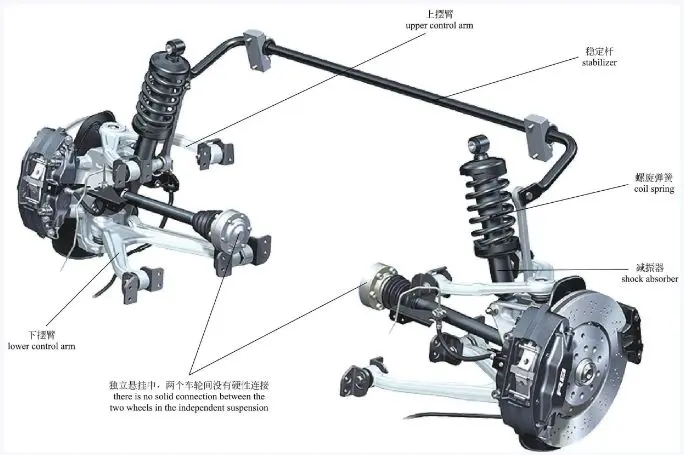
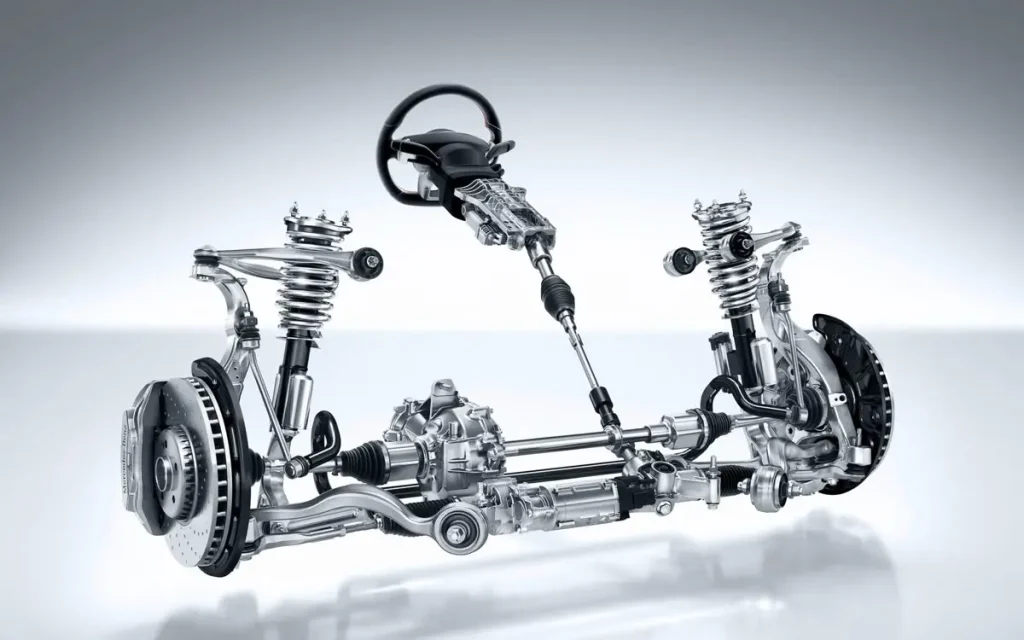
A car suspension system is made up of several parts that work together to provide stability, comfort, and control. These parts include springs, shock absorbers, struts, control arms, and more. Each part has a specific role, but they all share one goal: to keep your car balanced and smooth while driving.
For example, when your car hits a bump, the springs compress to absorb the impact. Then, the shock absorbers control how the springs move so the car does not bounce too much. This teamwork ensures a stable ride.
When people search for car suspension parts explained simply, they usually want to understand how their car works without getting lost in technical jargon. This guide aims to do exactly that by explaining each part in a clear and practical way.
Why is Car Suspension Parts Explained Simply Important?
Understanding car suspension parts explained simply is important for several reasons. First, it helps you become more aware of your vehicle’s condition. When you know how the suspension works, you can easily notice when something feels off.
Second, it improves safety. A faulty suspension can affect your car’s handling, braking, and overall control. By recognizing warning signs early, you can prevent accidents and costly repairs.
Third, it saves money. Many car owners ignore small suspension issues until they become major problems. With basic knowledge, you can address issues early and avoid expensive fixes.
Another reason is comfort. A well-maintained suspension system ensures a smooth ride, even on rough roads. Without it, every bump can feel uncomfortable.
Finally, understanding suspension parts builds confidence. You do not have to rely entirely on mechanics. Instead, you can ask better questions and make informed decisions about repairs and maintenance.
Detailed Step-by-Step Guide
Step 1: Understanding Springs
Springs are one of the most important suspension parts. Their main job is to absorb shocks from the road. They compress when the car hits a bump and then return to their original shape.
There are different types of springs, such as coil springs and leaf springs. Coil springs are common in most cars, while leaf springs are often used in trucks.
Step 2: Learning About Shock Absorbers
Shock absorbers work together with springs. While springs absorb energy, shock absorbers control how that energy is released. Without them, your car would keep bouncing after hitting a bump.
They use hydraulic fluid to slow down the movement of the springs, providing a stable and comfortable ride.
Step 3: Knowing Struts
Struts are a combination of a shock absorber and other components. They provide structural support to the suspension system and help maintain alignment.
In many modern cars, struts replace traditional shock absorbers because they are more compact and efficient.
Step 4: Control Arms Explained
Control arms connect the wheels to the car’s frame. They allow the wheels to move up and down while keeping them aligned with the body of the car.
They usually come with bushings and ball joints, which help reduce friction and allow smooth movement.
Step 5: Understanding Ball Joints
Ball joints act like hinges. They connect control arms to the wheels and allow movement in multiple directions.
They are essential for steering and suspension movement. If they wear out, your car’s handling can become unstable.
Step 6: The Role of Sway Bars
Sway bars, also known as stabilizer bars, help reduce body roll when turning. When your car takes a corner, the sway bar keeps it balanced by distributing weight evenly.
This improves stability and prevents the car from leaning too much.
Step 7: Bushings and Their Function
Bushings are small rubber or polyurethane components placed between metal parts. They reduce noise, vibration, and friction.
Without bushings, the suspension system would produce more noise and wear out faster.
Benefits of Car Suspension Parts Explained Simply
- Improves ride comfort by absorbing shocks and vibrations
- Enhances vehicle stability during turns and braking
- Keeps tires in contact with the road for better control
- Reduces wear and tear on other car components
- Helps maintain proper wheel alignment
- Increases overall driving safety
- Makes it easier to detect and fix problems early
Disadvantages / Risks
- Worn-out suspension parts can lead to poor handling
- Repairs can be expensive if issues are ignored
- Bad suspension affects tire life and fuel efficiency
- Driving with faulty parts increases accident risk
- Some components require regular maintenance
Common Mistakes to Avoid
One common mistake is ignoring unusual noises. If you hear clunking or squeaking sounds, it may indicate a suspension issue. Do not ignore these signs.
Another mistake is delaying repairs. Small problems can quickly turn into major ones if left untreated.
Using low-quality replacement parts is also a mistake. Cheap parts may save money initially but often fail sooner.
Many drivers also forget regular inspections. Checking suspension parts during routine maintenance can prevent bigger issues.
Lastly, overloading your vehicle can damage the suspension system. Always follow the recommended weight limits.
FAQs
1. What are the main parts of a car suspension system?
The main parts include springs, shock absorbers, struts, control arms, ball joints, sway bars, and bushings. Each part works together to provide comfort and stability.
2. How do I know if my suspension is bad?
Signs include a bumpy ride, uneven tire wear, drifting while turning, and unusual noises. If you notice these issues, it is best to get your car checked.
3. Can I drive with a damaged suspension?
It is not recommended. Driving with a faulty suspension can affect control and safety. It is better to repair it as soon as possible.
4. How often should suspension parts be replaced?
There is no fixed schedule. It depends on driving conditions and usage. However, regular inspections can help identify when parts need replacement.
5. What is the difference between shocks and struts?
Shock absorbers control movement, while struts combine shocks with structural support. Struts are more complex and often used in modern vehicles.
6. Does suspension affect fuel efficiency?
Yes, a खराब suspension can reduce fuel efficiency. It increases resistance and affects how smoothly the car moves.
Expert Tips & Bonus Points
Always pay attention to how your car feels while driving. Changes in comfort or handling often indicate suspension issues.
Rotate your tires regularly. This helps reduce uneven wear caused by suspension problems.
Keep your wheels aligned. Proper alignment improves suspension performance and extends tire life.
Avoid rough driving on bad roads whenever possible. Smooth driving helps protect suspension components.
Invest in quality parts when replacements are needed. Good parts last longer and perform better.
Regular maintenance is the key to a long-lasting suspension system. A little care can save you a lot of money in the long run.
Conclusion
Car suspension parts explained simply is an essential topic for every driver who wants to understand their vehicle better. The suspension system plays a critical role in ensuring comfort, stability, and safety on the road. From springs and shock absorbers to control arms and sway bars, each component has a specific function that contributes to a smooth driving experience.
By learning how these parts work together, you can easily identify potential problems and take action before they become serious. This knowledge not only improves your driving confidence but also helps you save money on repairs and maintenance.
It is important to remember that a well-maintained suspension system does more than just provide comfort. It directly affects how your car handles, brakes, and responds to different road conditions. Ignoring suspension issues can lead to unsafe driving situations and higher repair costs.
