


Introduction
Knowing how to jump start a car safely is one of the most useful skills every driver should learn. A dead battery can happen at any time, whether you are at home, at work, or on the road. It often occurs when you least expect it, such as after leaving your headlights on or during cold weather. Instead of panicking or waiting for roadside assistance, you can solve the problem quickly if you understand the correct method.
In this guide, you will learn how to jump start a car safely step by step. The process is simple, but it must be done carefully to avoid damage to your vehicle or injury. Many beginners feel nervous about handling jumper cables, but with the right knowledge, it becomes easy and safe.
We will also cover why this skill is important, common mistakes to avoid, and expert tips to make the process smoother. Whether you are a new driver or someone with experience, this guide will help you feel more confident. By the end, you will know exactly how to jump start a car safely in any situation without stress.
What is How to Jump Start a Car Safely?
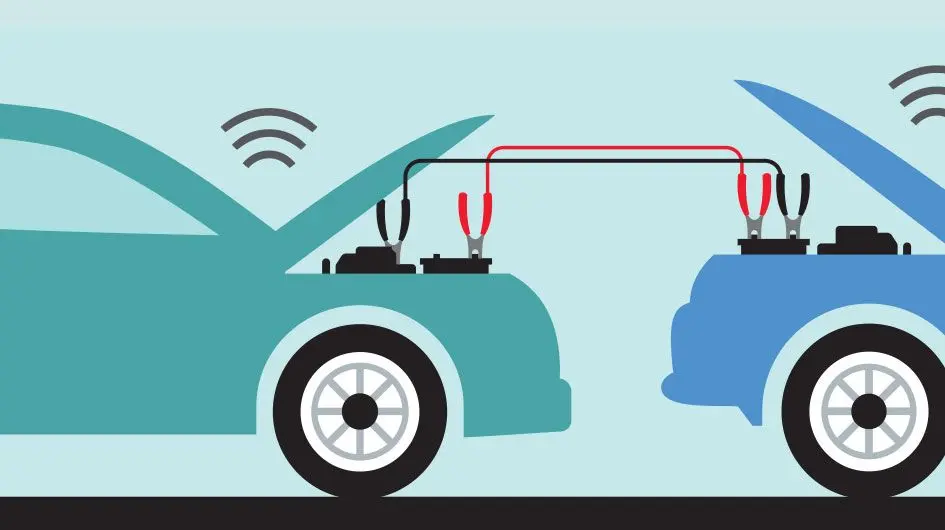
Jump starting a car safely means using another vehicle’s battery to provide power to a car with a dead battery. This is done using jumper cables that connect both batteries. The goal is to transfer enough energy to start the engine of the dead car.
When a car battery dies, it cannot provide the electrical power needed to start the engine. However, with the help of another working battery, you can temporarily boost it. Once the engine starts, the car’s alternator begins charging the battery again.
Learning how to jump start a car safely involves more than just connecting cables. It includes following proper steps, ensuring safety, and avoiding incorrect connections. If done incorrectly, it can cause sparks, battery damage, or even injury.
In simple terms, it is a quick and effective solution to bring a dead car back to life using another car’s battery power.
Why is How to Jump Start a Car Safely Important?
Understanding how to jump start a car safely is important for several reasons. First, it saves time and money. Instead of calling a mechanic or towing service, you can fix the issue yourself within minutes.
Second, it improves your confidence as a driver. Knowing that you can handle such situations makes you more independent. You won’t feel helpless if your car battery dies in an unfamiliar place.
Another key reason is safety. Doing it the wrong way can lead to dangerous situations like electrical sparks or battery explosions. That is why learning the correct method is essential.
Finally, it helps you assist others. If someone else is stuck with a dead battery, you can help them safely. This simple skill can be useful not only for yourself but also for others around you.
Detailed Step-by-Step Guide
Step 1: Gather the Required Tools
Before you begin, make sure you have:
- Jumper cables
- A working car with a charged battery
- Safety gloves (optional but recommended)
Having everything ready ensures a smooth process.
Step 2: Position the Cars Correctly
Park the working car close to the dead car. Make sure both vehicles are not touching each other. Turn off both engines and engage the parking brakes.
This step is important to avoid accidents and ensure proper cable connection.
Step 3: Identify Battery Terminals
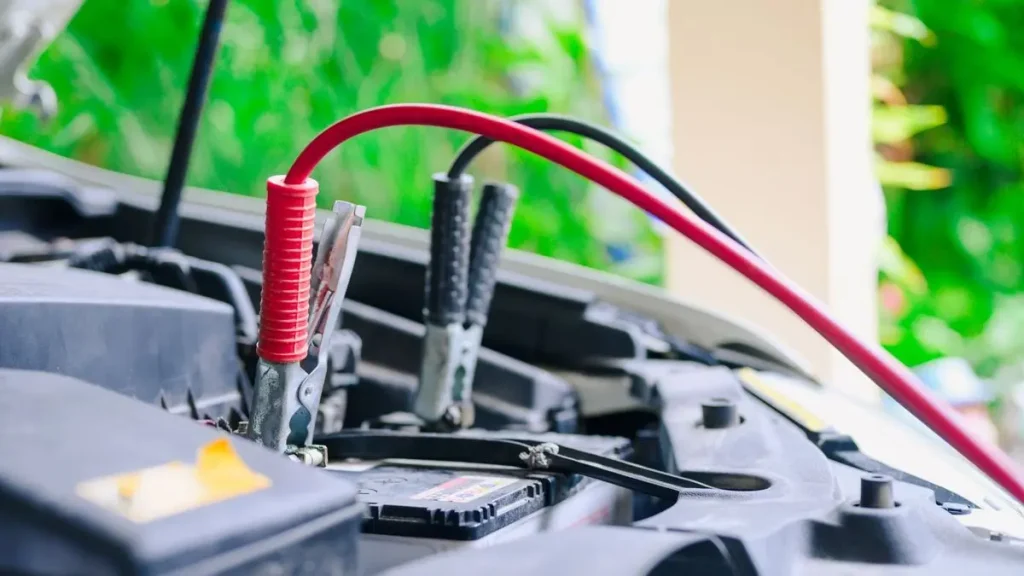
Open the hood of both cars and locate the batteries. Identify the positive (+) and negative (-) terminals.
The positive terminal is usually marked in red, while the negative terminal is black.
Step 4: Connect the Jumper Cables
Follow this order carefully:
- Connect one red clamp to the positive terminal of the dead battery
- Connect the other red clamp to the positive terminal of the working battery
- Attach one black clamp to the negative terminal of the working battery
- Attach the other black clamp to an unpainted metal surface on the dead car
This is a critical step in learning how to jump start a car safely.
Step 5: Start the Working Car
Start the engine of the working car and let it run for a few minutes. This allows the dead battery to receive some charge.
Step 6: Start the Dead Car
Try starting the car with the dead battery. If it does not start immediately, wait a few more minutes and try again.
Step 7: Remove the Cables Safely
Remove the cables in reverse order:
- Black clamp from metal surface
- Black clamp from working battery
- Red clamp from working battery
- Red clamp from dead battery
Be careful not to let the clamps touch each other.
Step 8: Let the Engine Run
Keep the engine of the revived car running for at least 15–20 minutes. This helps recharge the battery.
Benefits of How to Jump Start a Car Safely
- Saves time in emergencies
- Reduces dependency on roadside assistance
- Helps avoid towing costs
- Increases confidence in handling car issues
- Allows you to help others in need
- Prevents long delays during travel
Disadvantages / Risks
- Risk of sparks if cables are connected incorrectly
- Possible battery damage if done wrong
- Injury risk if safety steps are ignored
- Not effective if the battery is completely damaged
- Requires another vehicle or external power source
Common Mistakes to Avoid
Many people make simple mistakes when learning how to jump start a car safely. Avoiding these errors can prevent serious problems.
One common mistake is connecting the cables in the wrong order. This can cause sparks or damage the battery. Always follow the correct sequence.
Another mistake is attaching the negative cable directly to the dead battery. Instead, connect it to a metal surface to reduce the risk of sparks.
Some people also forget to turn off both cars before connecting cables. This can be dangerous and should always be avoided.
Using damaged or low-quality jumper cables is another issue. Always use good-quality cables for safety.
Lastly, removing cables in the wrong order can also cause problems. Always disconnect them in reverse order.
FAQs
1. Can I jump start a car without another car?
Yes, you can use a portable jump starter. It works like a battery pack and is very useful in emergencies.
2. How long should I keep the car running after jump starting?
You should keep the engine running for at least 15–20 minutes to recharge the battery.
3. What if the car does not start after jump starting?
If the car does not start, the battery may be completely dead or there could be another issue.
4. Is it safe to jump start in the rain?
Yes, it is generally safe, but you should be extra careful and avoid water contact with battery terminals.
5. Can jump starting damage my car?
If done incorrectly, it can cause damage. However, following proper steps makes it safe.
6. How often can I jump start a car?
You can do it when needed, but frequent jump starts indicate a battery problem that should be fixed.
Expert Tips & Bonus Points
Always keep a set of jumper cables in your car. This simple habit can save you in emergencies.
Check your battery regularly, especially before long trips. A weak battery can fail unexpectedly.
If your battery is old, consider replacing it before it dies completely. Prevention is always better than fixing problems later.
Try to drive your car regularly. Long periods of inactivity can drain the battery.
Learn the signs of a weak battery, such as slow engine cranking or dim lights. This helps you act before it fails.
If possible, invest in a portable jump starter. It eliminates the need for another vehicle.
Conclusion
Learning how to jump start a car safely is a valuable skill that every driver should have. It is simple, practical, and can save you from stressful situations. A dead battery is a common problem, but with the right knowledge, it can be solved quickly.
By following the correct steps, you can avoid risks and ensure safety. From connecting cables properly to removing them carefully, each step plays an important role. Practice and understanding make the process easier over time.
This guide has covered everything from basics to expert tips. Whether you are a beginner or an experienced driver, knowing how to jump start a car safely gives you confidence and independence. It also allows you to help others in need.
