


Introduction
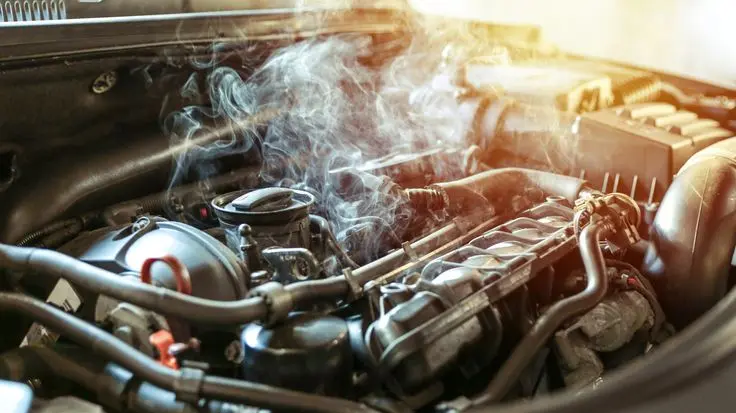
Car overheating is one of the most stressful situations a driver can face, especially if it happens in the middle of a busy road or during a long trip. Many beginners panic when they see steam coming out of the hood or notice the temperature gauge rising rapidly. However, knowing what to do if your car overheats can help you stay calm, avoid serious engine damage, and protect yourself from danger.
Overheating usually happens due to problems in the cooling system, such as low coolant levels, a faulty radiator, or a broken thermostat. While it may seem like a complicated issue, handling it correctly does not require expert-level knowledge. With a few simple steps, you can manage the situation safely and even prevent costly repairs.
In this guide, you will learn what to do if your car overheats, why it happens, and how to deal with it step by step. Whether you are a new driver or someone with basic experience, this article will give you clear, practical advice that you can use anytime.
What is Car Overheating?
Car overheating occurs when the engine temperature rises beyond its normal operating range. Every vehicle has a cooling system designed to regulate engine heat. When this system fails, the engine begins to overheat, which can lead to serious damage if not handled quickly.
The cooling system includes parts like the radiator, coolant, water pump, thermostat, and hoses. These components work together to remove excess heat from the engine. When one of them fails, heat builds up inside the engine.
Understanding what to do if your car overheats starts with recognizing the warning signs. These may include:
- Rising temperature gauge
- Steam from the hood
- Burning smell
- Reduced engine performance
Ignoring these signs can lead to engine failure, which is expensive to repair.
Why is Car Overheating Important?
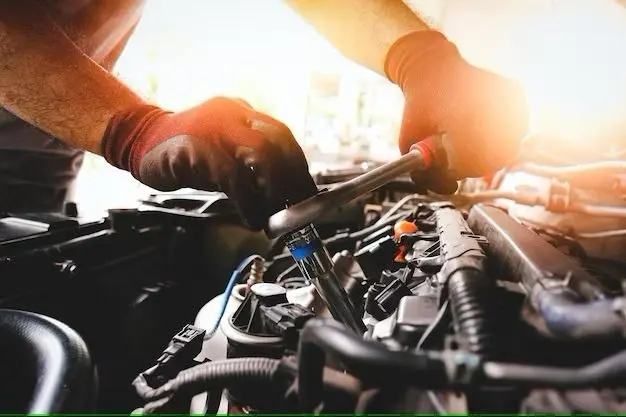
Knowing what to do if your car overheats is important because it directly affects your safety and your vehicle’s lifespan. Overheating can damage critical engine parts, including the cylinder head, pistons, and gaskets.
If the issue is not addressed quickly, it may lead to complete engine failure. This not only results in high repair costs but also leaves you stranded on the road.
There are several reasons why this topic matters:
- It helps prevent major engine damage
- It improves road safety
- It reduces repair costs
- It increases vehicle reliability
For example, if you are driving in hot weather and your car overheats, stopping at the right time can save your engine. On the other hand, continuing to drive can worsen the damage.
Detailed Step-by-Step Guide
Step 1: Turn Off the Air Conditioner
As soon as you notice the temperature rising, turn off the air conditioner. The AC puts extra load on the engine, which can make overheating worse.
Instead, turn on the heater. This may sound strange, but it helps pull heat away from the engine.
Step 2: Pull Over Safely
Find a safe place to stop your car as soon as possible. Do not continue driving for long distances. Pull over to the side of the road and turn on your hazard lights.
Stopping early is one of the most important actions when learning what to do if your car overheats.
Step 3: Turn Off the Engine
Once you stop, turn off the engine immediately. This prevents further heat buildup and allows the engine to cool down.
Do not try to open the hood right away. Give it some time to cool.
Step 4: Wait for the Engine to Cool
Patience is key. Wait at least 15 to 30 minutes before checking anything under the hood. Opening the hood too early can expose you to hot steam and cause burns.
Step 5: Check Coolant Levels
After the engine cools down, carefully open the hood. Check the coolant reservoir. If it is low, this could be the reason for overheating.
Never open the radiator cap while the engine is hot. It can release pressurized steam and cause serious injury.
Step 6: Add Coolant or Water
If you have coolant, add it to the reservoir. If coolant is not available, you can use water temporarily. However, this is only a short-term solution.
Make sure the engine is cool before adding any liquid.
Step 7: Look for Leaks
Check for visible leaks under the car or around the engine. If you notice coolant leaking, it is best not to drive the vehicle further.
Step 8: Restart the Engine Carefully
After adding coolant, restart the engine and monitor the temperature gauge. If it stays normal, you may drive slowly to a nearby workshop.
If the temperature rises again, stop immediately and seek professional help.
Step 9: Call for Assistance
If you are unsure about the problem or cannot fix it, call roadside assistance or a mechanic. Driving an overheating car can cause severe damage.
Benefits of Knowing What to Do If Your Car Overheats
- Prevents costly engine repairs
- Improves personal safety
- Reduces stress during emergencies
- Helps maintain vehicle performance
- Saves time by avoiding breakdowns
- Increases confidence while driving
Disadvantages / Risks
- Ignoring the problem can cause engine failure
- Improper handling may lead to burns or injuries
- Temporary fixes may not solve the root issue
- Driving with an overheating engine can worsen damage
- Lack of knowledge can lead to panic
Common Mistakes to Avoid
Many drivers make simple mistakes when dealing with overheating. Avoiding these can save you from bigger problems.
One common mistake is continuing to drive despite rising temperature. This can damage the engine permanently.
Another mistake is opening the radiator cap while the engine is hot. This is dangerous and can cause burns.
Some people also ignore small warning signs, such as a slightly higher temperature. Addressing the issue early can prevent major breakdowns.
Using only water instead of coolant for long periods is another mistake. Coolant has special properties that help regulate temperature effectively.
FAQs
1. What should I do first if my car overheats?
The first thing to do is turn off the air conditioner and pull over safely. Then switch off the engine and allow it to cool. Acting quickly can prevent serious damage.
2. Can I drive my car after it overheats?
You can drive only if the temperature returns to normal and there are no leaks. However, it is best to drive slowly and head to a mechanic. If overheating continues, do not drive.
3. How long should I wait before opening the hood?
Wait at least 15 to 30 minutes. Opening the hood too soon can expose you to hot steam and cause injury.
4. Is it safe to add water instead of coolant?
Water can be used in emergencies, but it is not a permanent solution. Coolant is designed to handle extreme temperatures and protect the engine.
5. What causes a car to overheat?
Common causes include low coolant levels, a faulty radiator, a broken thermostat, or leaks in the cooling system. Regular maintenance can help prevent these issues.
6. Can overheating damage my engine permanently?
Yes, severe overheating can cause permanent engine damage, including warped parts and blown gaskets. That is why it is important to act quickly.
Expert Tips & Bonus Points
Always keep extra coolant in your car, especially during long trips. This simple step can save you in emergencies.
Regularly check your vehicle’s cooling system. Look for leaks, worn hoses, and low coolant levels. Preventive maintenance is always better than repairs.
Pay attention to your temperature gauge. It provides early warning signs that can help you act before the situation gets worse.
Avoid driving in extreme heat for long periods without breaks. Give your engine time to cool, especially during summer.
If your car overheats frequently, consult a professional mechanic. Repeated overheating is a sign of a deeper problem.
Conclusion
Understanding what to do if your car overheats is an essential skill for every driver. It not only helps protect your vehicle but also ensures your safety on the road. Overheating can happen unexpectedly, but with the right knowledge, you can handle the situation calmly and effectively.
By following the step-by-step guide, you can reduce the risk of serious engine damage and avoid costly repairs. Simple actions like turning off the air conditioner, pulling over safely, and checking coolant levels can make a big difference.
It is also important to focus on prevention. Regular maintenance, monitoring your vehicle’s temperature, and keeping essential supplies in your car can help you avoid overheating in the first place.
