


Introduction
When it comes to maintaining or repairing your car, one of the most common decisions you will face is choosing between OEM and aftermarket car parts. This choice can directly affect your vehicle’s performance, safety, and long-term reliability. Many car owners, especially beginners, often feel confused because both options seem similar at first glance. However, they are quite different in terms of quality, price, availability, and compatibility.
Understanding the difference between OEM and aftermarket car parts helps you make smarter decisions and avoid unnecessary expenses. Whether you are replacing brake pads, filters, or engine components, knowing what you are buying matters a lot. Some people prefer OEM parts for their guaranteed fit, while others choose aftermarket parts for their affordability and variety.
In this guide, we will break down everything in simple language so you can easily understand the pros and cons of each option. By the end, you will feel confident about choosing the right parts for your car based on your needs, budget, and driving habits.
What is Difference Between OEM and Aftermarket Car Parts?
OEM stands for Original Equipment Manufacturer. These parts are made by the same company that produced the original components of your car. They are identical to the parts installed in your vehicle when it was first built.
Aftermarket car parts, on the other hand, are produced by third-party companies. These manufacturers are not directly connected to the car brand but design parts that fit and function similarly to the original ones.
Here is a simple comparison:
- OEM parts are exact replacements with guaranteed fit and quality.
- Aftermarket parts offer more variety and are often cheaper.
- OEM parts are usually available through dealerships.
- Aftermarket parts can be found in many auto shops and online stores.
Both types serve the same purpose, but their differences can influence your choice depending on your situation.
Why is Difference Between OEM and Aftermarket Car Parts Important?
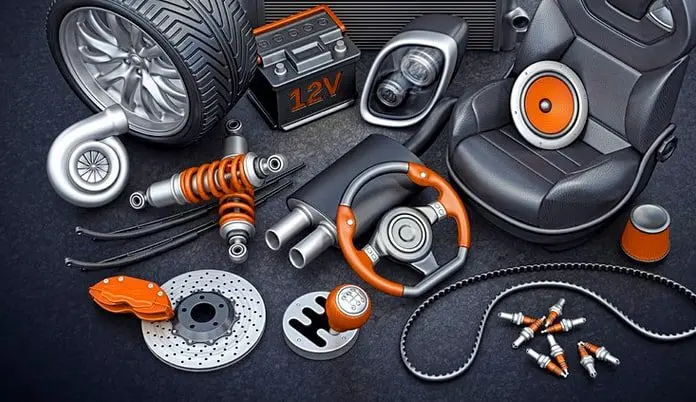
Knowing the difference between OEM and aftermarket car parts is important because it impacts your vehicle’s performance, safety, and maintenance cost.
First, using the wrong type of part can lead to poor performance or even damage. For example, a low-quality aftermarket part may not fit properly, which can affect your car’s efficiency.
Second, the cost difference can be significant. OEM parts are usually more expensive, but they provide peace of mind. Aftermarket parts are more affordable, but quality can vary widely.
Third, your warranty may be affected. Some car manufacturers recommend OEM parts to maintain warranty coverage. Using aftermarket parts in certain cases could create issues with claims.
Finally, understanding this difference helps you avoid scams or low-quality products. When you know what you are buying, you can make better choices and save money in the long run.
Detailed Step-by-Step Guide
Step 1: Understand Your Car’s Requirements
Before choosing any part, check your car manual. It provides detailed information about the required specifications. This step ensures you do not buy the wrong part.
Also, note your car’s make, model, and year. Even small differences can affect compatibility.
Step 2: Decide Your Budget
Budget plays a big role in your decision. OEM parts are usually more expensive, while aftermarket parts offer budget-friendly options.
If you are fixing a critical component like brakes or engine parts, spending more on OEM might be safer. For less important parts, aftermarket can be a smart choice.
Step 3: Compare Quality
Not all aftermarket parts are low quality. Some are even better than OEM. However, quality varies between brands.
Look for reviews and ratings. Choose reputable manufacturers that are known for producing reliable parts.
Step 4: Check Warranty
OEM parts often come with a manufacturer warranty. This adds extra security.
Aftermarket parts may also have warranties, but they differ by brand. Always read the warranty details before buying.
Step 5: Verify Compatibility
OEM parts are guaranteed to fit perfectly. Aftermarket parts may require extra checking.
Make sure the part matches your car’s specifications. Double-check part numbers and compatibility lists.
Step 6: Consider Availability
OEM parts may not always be readily available and can take time to order.
Aftermarket parts are widely available and can be purchased quickly from multiple sources.
Step 7: Consult a Mechanic
If you are unsure, ask a professional mechanic. They can guide you based on your car’s condition and your budget.
Their experience can help you avoid costly mistakes.
Benefits of Difference Between OEM and Aftermarket Car Parts
- OEM parts ensure perfect fit and reliability
- Aftermarket parts are more affordable
- Wide variety of options in aftermarket parts
- OEM parts maintain vehicle originality
- Aftermarket parts may offer improved performance
- Easy availability of aftermarket components
- OEM parts often include warranty protection
- Aftermarket parts provide customization choices
Disadvantages / Risks
- OEM parts are expensive
- Limited options with OEM parts
- Aftermarket parts may have inconsistent quality
- Some aftermarket parts may not fit perfectly
- Warranty issues may arise with aftermarket parts
- Cheap aftermarket parts can wear out quickly
- OEM parts may take longer to arrive
- Not all aftermarket brands are trustworthy
Common Mistakes to Avoid
One common mistake is choosing the cheapest option without checking quality. This can lead to frequent replacements and higher costs over time.
Another mistake is ignoring compatibility. Even a small mismatch can cause serious issues in your vehicle.
Many people also skip reading reviews. This is risky, especially when buying aftermarket parts.
Some car owners assume all OEM parts are better. While they are reliable, some aftermarket options can offer equal or even better performance.
Not consulting a professional is another mistake. A mechanic’s advice can save you time and money.
Lastly, ignoring warranty terms can create problems later. Always understand what is covered before making a purchase.
FAQs
1. Are OEM parts better than aftermarket parts?
OEM parts are generally more reliable because they are made by the original manufacturer. However, some high-quality aftermarket parts can match or even exceed OEM performance.
2. Why are OEM parts more expensive?
OEM parts are priced higher because they come directly from the manufacturer and guarantee quality and compatibility.
3. Can aftermarket parts damage my car?
Low-quality aftermarket parts can cause issues, but good-quality ones are safe. Always choose trusted brands to avoid problems.
4. Do aftermarket parts void warranty?
In most cases, they do not automatically void warranty. However, if a part causes damage, it may affect your claim.
5. Which parts should always be OEM?
Critical components like airbags, engine parts, and safety systems are best replaced with OEM parts for maximum reliability.
6. Are aftermarket parts easy to install?
Some are easy, while others may require adjustments. It depends on the part and the manufacturer.
7. How can I identify a good aftermarket brand?
Look for customer reviews, ratings, and recommendations from mechanics. Established brands are usually safer choices.
Expert Tips & Bonus Points
Always keep a balance between quality and budget. Spending wisely is more important than simply choosing the cheapest or most expensive option.
For regular maintenance items like air filters or brake pads, high-quality aftermarket parts can work well and save money.
If your car is new or under warranty, consider using OEM parts to avoid complications.
Keep records of all parts you purchase and install. This helps in future maintenance and resale value.
Buy from trusted sellers only. Avoid unknown sources, especially when purchasing online.
If possible, compare multiple options before making a final decision. This ensures you get the best value for your money.
Conclusion
Understanding the difference between OEM and aftermarket car parts is essential for every car owner. Both options have their own advantages and disadvantages, and the right choice depends on your specific needs.
OEM parts provide reliability, perfect fit, and peace of mind. They are ideal for critical components and newer vehicles. However, they come at a higher cost and limited variety.
Aftermarket parts offer affordability, variety, and sometimes improved performance. They are a great option for budget-conscious drivers and older vehicles. However, quality can vary, so careful selection is necessary.
