


Introduction
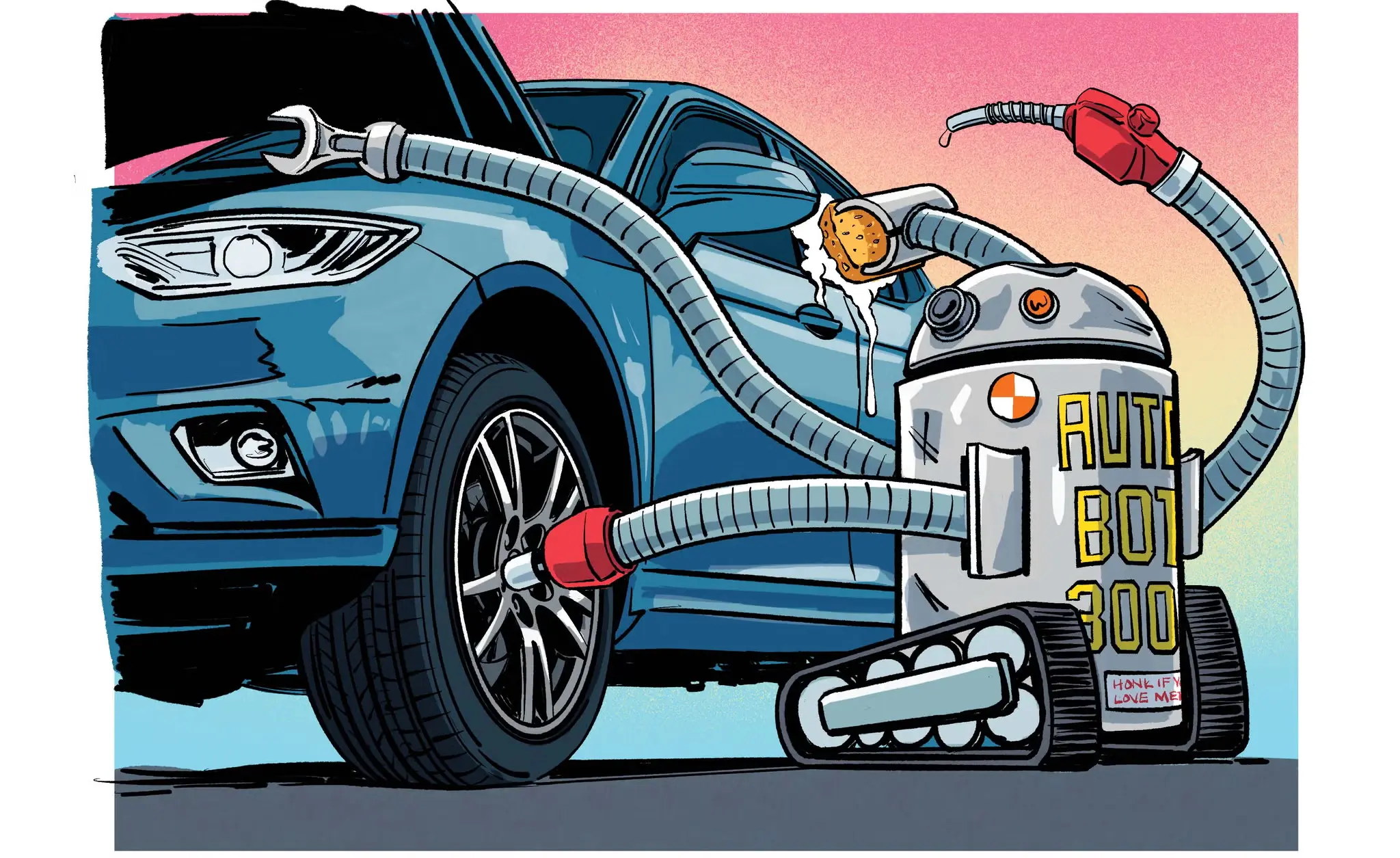
Taking care of your car is one of the most important responsibilities for any vehicle owner, especially beginners. A well-maintained car not only performs better but also lasts longer and saves you from expensive repairs. Many new drivers ignore basic maintenance until a problem appears, which often leads to unnecessary costs and stress. That is why learning the best car care tips for beginners is essential from the start.
Car care is not just about washing your vehicle or filling fuel. It includes regular inspections, timely servicing, checking fluids, maintaining tires, and understanding warning signs. When you follow proper car maintenance habits, you improve safety, fuel efficiency, and overall driving comfort. Beginners often feel overwhelmed, but the process is simple once you understand the basics.
In this guide, you will learn everything step by step in an easy and practical way. Whether you are a new driver or someone who just bought their first car, these tips will help you build strong habits. By following these best car care tips for beginners, you can avoid common mistakes and keep your vehicle in excellent condition for years.
What is Car Care?
Car care refers to the routine maintenance, cleaning, and inspection of a vehicle to ensure it runs smoothly and safely. It includes both mechanical maintenance and exterior/interior upkeep.
In simple words, car care means looking after your vehicle regularly so it does not break down unexpectedly. It covers tasks like engine oil changes, tire pressure checks, brake inspection, battery maintenance, and car washing.
For beginners, car care may seem technical, but it becomes easy when broken into simple steps. Every car has basic needs, and meeting those needs on time keeps it healthy.
Proper car care also involves understanding your car manual, following service schedules, and paying attention to unusual sounds or performance changes.
Why is Car Care Important?
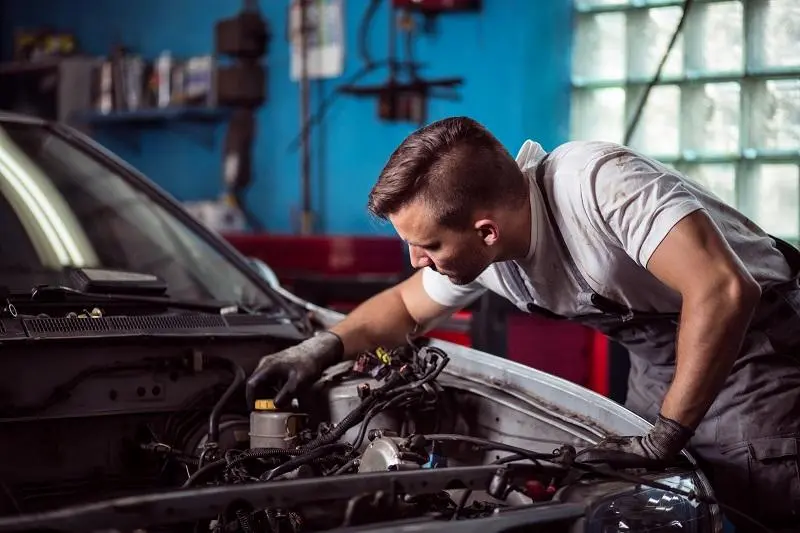
Car care is important because it directly affects safety, performance, and long-term cost savings. A neglected car can become unsafe and expensive to repair.
Firstly, regular maintenance ensures road safety. Brakes, tires, and engine health play a critical role in preventing accidents. If these are ignored, the risk increases significantly.
Secondly, car care improves fuel efficiency. A well-maintained engine consumes less fuel, which saves money over time. Dirty filters or low tire pressure can reduce mileage.
Thirdly, it extends the lifespan of your vehicle. Cars that receive regular servicing last much longer compared to poorly maintained ones.
Lastly, it protects resale value. A properly maintained car has higher market value and attracts better buyers.
For beginners, understanding the importance of car care builds responsible driving habits and prevents costly mistakes.
Detailed Step-by-Step Guide to Car Care
1. Regular Engine Oil Checks
Engine oil is the lifeblood of your car. It keeps the engine parts lubricated and prevents overheating. Beginners should check oil levels every few weeks and replace it as recommended in the manual.
Always use the correct oil type for your vehicle. Low or dirty oil can damage the engine permanently.
2. Tire Maintenance and Pressure
Tires affect safety, comfort, and fuel economy. Check tire pressure at least once a month. Under-inflated tires reduce mileage and increase wear.
Also inspect tires for cracks, cuts, or uneven wear. Rotate them every 8,000–10,000 km for balanced performance.
3. Brake System Inspection
Brakes are one of the most critical safety components. If you hear unusual sounds or feel vibration, get them checked immediately.
Replace brake pads when necessary and ensure brake fluid is at the proper level.
4. Battery Care
Car batteries should be checked regularly for corrosion and charge level. Clean terminals if needed and ensure tight connections.
If your car struggles to start, it may be a sign of a weak battery.
5. Fluid Level Checks
Cars use multiple fluids such as coolant, brake fluid, transmission fluid, and windshield washer fluid. Keep all of them at recommended levels.
Low coolant can cause overheating, while low brake fluid affects safety.
6. Regular Washing and Cleaning
Keeping your car clean prevents rust and paint damage. Wash your car every 1–2 weeks depending on usage.
Also clean the interior to maintain hygiene and comfort.
7. Scheduled Servicing
Follow your car manufacturer’s service schedule. Regular servicing ensures that hidden issues are detected early.
Never skip major service intervals, even if your car seems fine.
Benefits of Car Care Tips for Beginners
- Improves vehicle safety and reduces accident risks
- Increases fuel efficiency and saves money
- Extends the lifespan of the car
- Enhances driving comfort and performance
- Reduces unexpected breakdowns
- Maintains resale value of the vehicle
- Helps beginners build responsible driving habits
Disadvantages / Risks of Ignoring Car Care
- Higher repair and maintenance costs
- Increased risk of breakdowns
- Poor fuel efficiency
- Reduced vehicle lifespan
- Safety hazards while driving
- Loss of resale value
- Engine or mechanical failure over time
Common Mistakes to Avoid
Many beginners make simple mistakes that affect car performance.
One common mistake is ignoring warning lights on the dashboard. These lights are early signals of potential issues.
Another mistake is delaying oil changes. Old oil damages engine parts and reduces efficiency.
Some drivers also ignore tire pressure, which leads to uneven wear and poor handling.
Skipping regular servicing is another major issue. Even if the car runs fine, hidden problems may exist.
Lastly, using low-quality fuel or fluids can negatively impact engine performance.
Avoiding these mistakes ensures smooth and long-lasting car performance.
FAQs
1. How often should I service my car?
Most cars should be serviced every 5,000 to 10,000 km depending on manufacturer guidelines. Regular servicing ensures long-term performance.
2. What is the most important part of car care?
Engine oil maintenance is one of the most important parts because it directly affects engine health and performance.
3. How can beginners improve fuel efficiency?
Maintaining proper tire pressure, avoiding sudden acceleration, and regular servicing help improve fuel efficiency.
4. Why is tire pressure important?
Correct tire pressure improves safety, handling, and fuel economy while reducing tire wear.
5. What happens if I ignore car maintenance?
Ignoring maintenance can lead to breakdowns, high repair costs, and reduced vehicle lifespan.
6. Can I do car maintenance myself?
Yes, beginners can handle basic tasks like checking oil, tire pressure, and cleaning, but complex repairs should be left to professionals.
Expert Tips & Bonus Points
Always keep a small emergency kit in your car including tools, flashlight, and first aid supplies. It helps in unexpected situations.
Warm up your engine for a few seconds before driving, especially in cold weather, to improve performance.
Avoid overloading your vehicle as it puts extra pressure on the engine and tires.
Learn to read your car manual properly. It contains valuable maintenance information specific to your vehicle.
Pay attention to unusual sounds or vibrations. Early detection saves money and prevents damage.
Conclusion
Car care is not complicated, but it requires consistency and attention. For beginners, building simple habits like checking fluids, maintaining tire pressure, and following service schedules can make a huge difference. These best car care tips for beginners help you avoid costly repairs and ensure your vehicle stays in excellent condition for years.
A well-maintained car is safer, more efficient, and more reliable. It gives you peace of mind during daily travel and long journeys. By following the steps explained in this guide, you can develop strong maintenance habits from the beginning.
Remember, your car takes care of you on the road, so it deserves proper care in return. Start small, stay consistent, and your vehicle will reward you with long-lasting performance and reliability.
