



Introduction
Getting a flat tire is something almost every driver experiences at least once. It can happen suddenly, whether you are driving on a busy highway or a quiet road. Knowing how to change a flat tire step by step can save you time, money, and stress. Instead of waiting for roadside assistance, you can quickly handle the situation yourself with confidence.
This guide is designed for beginners and intermediate drivers who want a clear and simple explanation. Even if you have never touched a car tool before, you will find the instructions easy to follow. Learning this skill is not just practical but also empowering. It gives you independence and helps you stay prepared for unexpected situations.
In this article, you will learn what a flat tire is, why it is important to fix it correctly, and the exact steps to replace it safely. You will also discover common mistakes to avoid and useful tips to make the process smoother. By the end, you will feel more confident handling a flat tire step by step without panic.
What is How to Change a Flat Tire Step by Step?
How to change a flat tire step by step refers to the process of removing a damaged or deflated tire from a vehicle and replacing it with a spare tire. This involves using basic tools like a jack, lug wrench, and spare tire that usually come with the car.
A flat tire can occur due to various reasons such as punctures, worn-out tread, or hitting a sharp object on the road. When this happens, the tire loses air pressure and becomes unsafe for driving. Continuing to drive on a flat tire can damage the wheel and increase repair costs.
Therefore, understanding how to change a flat tire step by step is an essential driving skill. It ensures that you can quickly fix the issue and get back on the road safely.
Why is How to Change a Flat Tire Step by Step Important?
Knowing how to change a flat tire step by step is important for several reasons. First, it helps you handle emergencies without depending on others. This is especially useful when you are in a remote area or during late hours.
Second, it saves money. Calling roadside assistance or towing services can be expensive. By learning this skill, you can avoid unnecessary costs.
Third, it improves your safety. A flat tire can be dangerous if not handled properly. Quick action reduces the risk of accidents or further damage to your vehicle.
Lastly, it builds confidence. When you know how to change a flat tire step by step, you feel more in control during unexpected situations. This confidence can make a big difference in stressful moments.
Detailed Step-by-Step Guide
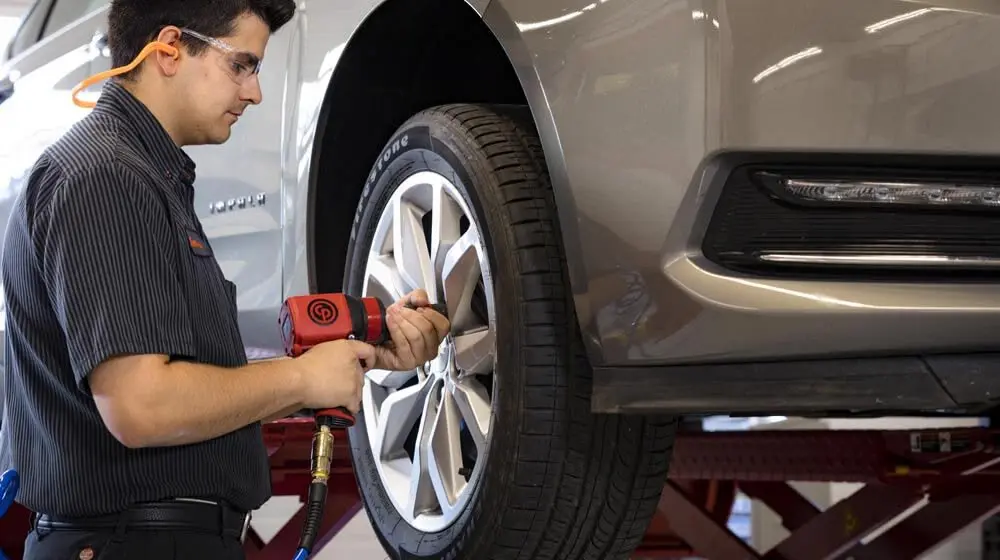
Step 1: Find a Safe Location
As soon as you notice a flat tire, slow down and look for a safe place to stop. Choose a flat and stable surface away from traffic. Turn on your hazard lights to alert other drivers.
Avoid stopping on slopes or soft ground, as it can make the process unsafe.
Step 2: Apply the Parking Brake
Once you stop, apply the parking brake. This prevents the car from rolling while you are changing the tire. It is a simple but very important safety step.
Step 3: Gather Your Tools
Take out the necessary tools from your vehicle. These usually include:
- Spare tire
- Jack
- Lug wrench
- Wheel wedges (if available)
Make sure everything is within reach before starting.
Step 4: Loosen the Lug Nuts
Before lifting the car, use the lug wrench to loosen the lug nuts on the flat tire. Turn them counterclockwise. Do not remove them completely yet.
This step is easier while the tire is still on the ground.
Step 5: Position the Jack
Place the jack under the vehicle near the flat tire. Most cars have a specific spot designed for the jack. Check your vehicle manual if needed.
Make sure the jack is stable and properly positioned.
Step 6: Lift the Vehicle
Slowly raise the vehicle using the jack until the flat tire is off the ground. Ensure the car remains stable during this process.
Do not rush, as stability is crucial.
Step 7: Remove the Lug Nuts
Now fully remove the loosened lug nuts and keep them in a safe place. You will need them to attach the spare tire.
Step 8: Remove the Flat Tire
Carefully pull the flat tire off the wheel hub. Place it aside so it does not roll away.
Step 9: Install the Spare Tire
Align the spare tire with the wheel bolts and push it into place. Make sure it fits securely.
Step 10: Tighten the Lug Nuts
Put the lug nuts back on and tighten them by hand first. This ensures proper alignment.
Step 11: Lower the Vehicle
Use the jack to slowly lower the vehicle back to the ground. Once the tire touches the ground, remove the jack.
Step 12: Fully Tighten the Lug Nuts
Use the lug wrench to tighten the lug nuts completely. Follow a crisscross pattern for even tightening.
Step 13: Check and Pack Up
Double-check that everything is secure. Pack your tools and the flat tire back into the car.
Now you have successfully learned how to change a flat tire step by step.
Benefits of How to Change a Flat Tire Step by Step
- Saves time during emergencies
- Reduces dependence on roadside assistance
- Helps avoid towing costs
- Improves personal safety
- Builds confidence in handling car issues
- Useful skill for all drivers
- Prevents further vehicle damage
Disadvantages / Risks
- Requires physical effort
- Can be challenging in bad weather
- Risk of improper installation if done incorrectly
- Not safe in heavy traffic areas
- Spare tire may have speed limitations
- Lack of proper tools can make it difficult
Common Mistakes to Avoid
Many people make simple mistakes when learning how to change a flat tire step by step. Avoiding these can make the process safer and easier.
One common mistake is not parking on a stable surface. This can cause the car to slip or fall from the jack.
Another mistake is forgetting to loosen the lug nuts before lifting the vehicle. This makes the task much harder.
Some people also fail to tighten the lug nuts properly. This can lead to serious safety issues while driving.
Ignoring safety measures like hazard lights and parking brakes is another common error. Always prioritize safety.
Lastly, using the wrong jack position can damage the car. Always place the jack at the recommended spot.
FAQs
1. How long does it take to change a flat tire step by step?
It usually takes around 15 to 30 minutes, depending on your experience and the situation.
2. Can I drive on a spare tire?
Yes, but only for a short distance. Spare tires are not designed for long-term use and often have speed limits.
3. What should I do if I do not have a spare tire?
In that case, you should call roadside assistance or use a tire repair kit if available.
4. Is it safe to change a tire on the highway?
It is risky. Try to move your vehicle to a safer location away from traffic before starting.
5. How tight should the lug nuts be?
They should be very tight but not over-tightened. Use firm pressure and follow a crisscross pattern.
6. Do all cars have the same tire-changing process?
The basic steps are similar, but details may vary depending on the vehicle. Always check your manual.
Expert Tips & Bonus Points
Always keep your tools in good condition. A damaged jack or wrench can make the process difficult.
Check your spare tire regularly to ensure it is properly inflated. A flat spare tire is useless in emergencies.
Practice changing a tire at home. This helps you feel more confident when a real situation occurs.
Wear gloves if possible to protect your hands from dirt and sharp edges.
Keep a flashlight in your car. It is very helpful if you need to change a tire at night.
If you are unsure at any step, it is better to seek professional help instead of taking risks.
Conclusion
Learning how to change a flat tire step by step is a valuable skill that every driver should have. It not only saves time and money but also ensures your safety during unexpected situations. With the right tools and proper guidance, the process becomes simple and manageable.
This guide has provided a clear and detailed explanation suitable for beginners and intermediate drivers. From understanding what a flat tire is to following each step carefully, you now have the knowledge needed to handle this common problem.
Although it may seem challenging at first, practice makes it easier. The more familiar you become with the process, the quicker and more confident you will be. Remember to always prioritize safety and take your time while changing a tire.
