


Introduction
Car scratches are something almost every vehicle owner experiences at some point. Whether it happens in a crowded parking lot, from a careless swipe of a shopping cart, or even while washing your car, minor scratches can ruin the overall appearance of your vehicle. The good news is that you don’t always need to visit a professional repair shop to fix them. Learning how to fix minor car scratches yourself can save you both time and money while giving you a sense of satisfaction.
For beginners and even intermediate car owners, the process might seem complicated at first. However, with the right tools, techniques, and a little patience, you can restore your car’s paint to a near-perfect condition. This guide will walk you through everything you need to know in a simple and practical way.
In this article, you will learn what minor car scratches are, why fixing them is important, and a step-by-step method to repair them at home. Additionally, we will cover the benefits, risks, common mistakes, and expert tips to help you achieve the best results. By the end, you will feel confident enough to handle minor scratches on your own.
What is How to Fix Minor Car Scratches Yourself?
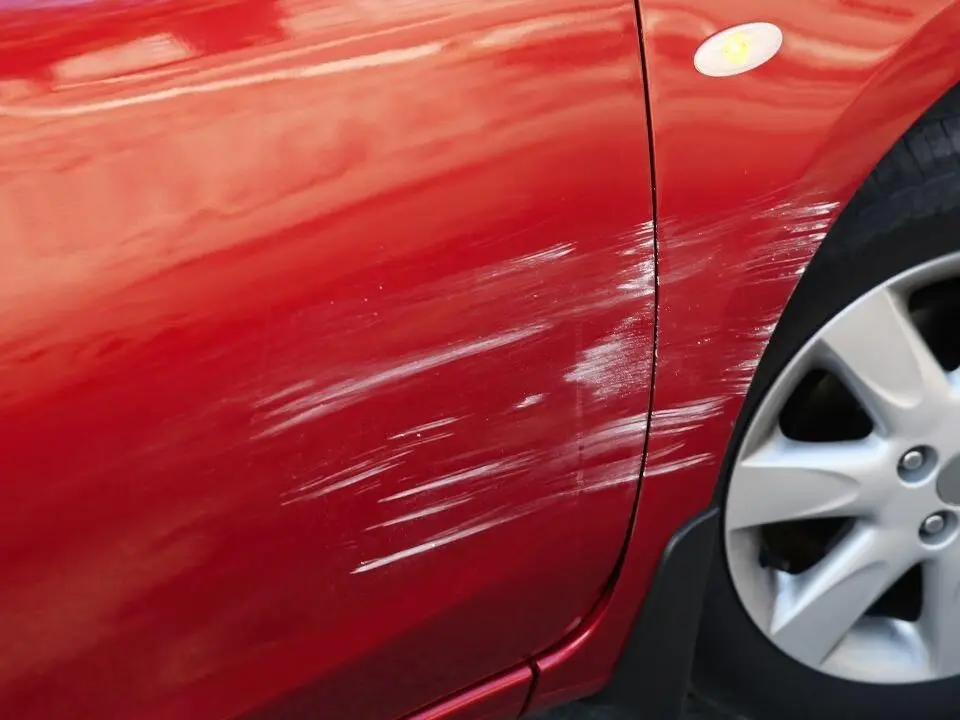
Fixing minor car scratches yourself refers to the process of repairing small surface-level damage on your vehicle’s paint without professional help. These scratches usually affect only the clear coat or the top layer of paint and do not go deep into the metal body.
Minor scratches can be classified into a few types. Clear coat scratches are the lightest and easiest to fix. Paint scratches go slightly deeper but are still manageable at home. Primer-level scratches are more serious and may require extra care.
The process typically involves cleaning the area, sanding the scratch lightly, applying a scratch remover or polishing compound, and finishing with wax or sealant. With proper technique, these steps can restore the car’s shine and reduce the visibility of scratches significantly.
Understanding the type of scratch is important before starting. This helps you choose the right method and tools, ensuring better results and avoiding further damage.
Why is How to Fix Minor Car Scratches Yourself Important?
Fixing minor car scratches yourself is important for several reasons. First, it helps maintain the overall appearance of your vehicle. Even small scratches can make a car look older and poorly maintained.
Secondly, repairing scratches early prevents further damage. If left untreated, scratches can expose the underlying layers of paint and metal, leading to rust and corrosion over time.
Another important reason is cost savings. Professional repairs can be expensive, especially for minor issues that can easily be handled at home. By learning how to fix minor car scratches yourself, you can avoid unnecessary expenses.
Additionally, it gives you more control over the repair process. You can work at your own pace, ensure quality, and take pride in maintaining your car.
Lastly, it improves your basic car maintenance skills. This knowledge can be useful for handling similar issues in the future and keeping your vehicle in top condition.
Detailed Step-by-Step Guide
Step 1: Identify the Scratch Type
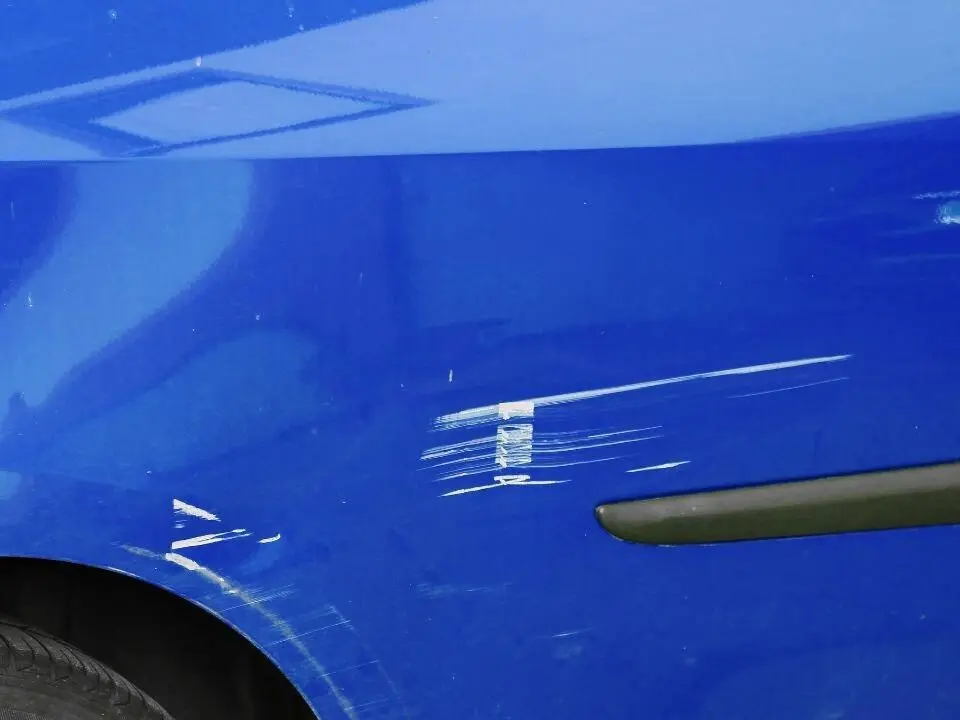
Before starting, carefully examine the scratch. Run your fingernail over it. If it does not catch, it is likely a clear coat scratch. If it catches slightly, it may be a paint scratch.
Understanding the depth helps you decide the right repair method and avoid unnecessary steps.
Step 2: Gather Required Tools
You will need a few basic items:
- Car wash soap
- Microfiber cloths
- Sandpaper (2000–3000 grit)
- Scratch remover or polishing compound
- Touch-up paint (if needed)
- Clear coat
- Car wax
Having everything ready makes the process smoother and more efficient.
Step 3: Clean the Area
Wash the scratched area thoroughly using car wash soap and water. Remove all dirt, dust, and debris. Dry it completely with a microfiber cloth.
Cleaning is important because dirt particles can cause more scratches during the repair process.
Step 4: Sand the Scratch Lightly
For slightly deeper scratches, use fine-grit sandpaper. Wet the sandpaper and gently sand the scratched area.
Do not apply too much pressure. The goal is to smooth out the edges of the scratch, not remove too much paint.
Step 5: Apply Scratch Remover
Take a small amount of scratch remover or polishing compound and apply it to a microfiber cloth. Rub it gently over the scratched area in circular motions.
Continue polishing until the scratch becomes less visible. This step helps blend the scratch with the surrounding paint.
Step 6: Use Touch-Up Paint (If Needed)
If the scratch is deeper and has removed the paint, apply touch-up paint carefully. Use a small brush or applicator.
Allow the paint to dry completely before moving to the next step. This may take several hours depending on the product.
Step 7: Apply Clear Coat
Once the paint is dry, apply a clear coat to protect the repaired area. This adds shine and helps match the original finish.
Let it dry properly before touching the surface.
Step 8: Polish and Wax
Finally, polish the area again and apply car wax. This step enhances the shine and provides a protective layer.
Waxing also helps blend the repaired area with the rest of the car.
Benefits of How to Fix Minor Car Scratches Yourself
- Saves money on professional repairs
- Improves the appearance of your car
- Prevents rust and long-term damage
- Gives you control over the repair process
- Enhances your car maintenance skills
- Quick and convenient solution at home
- Increases resale value of the vehicle
Disadvantages / Risks
- Risk of making the scratch worse if done incorrectly
- Color mismatch with touch-up paint
- Requires time and patience
- Not suitable for deep or severe scratches
- Improper sanding can damage surrounding paint
Common Mistakes to Avoid
One common mistake is skipping the cleaning step. Dirt and debris can cause further scratches during the repair process.
Another mistake is using the wrong sandpaper. Coarse sandpaper can damage the paint instead of fixing it.
Applying too much pressure while sanding or polishing is also a frequent error. This can remove too much paint and make the problem worse.
Using too much product is another issue. A small amount of scratch remover or polish is usually enough.
Not allowing proper drying time between steps can affect the final result. Patience is key for a smooth finish.
Lastly, ignoring the type of scratch can lead to using the wrong method, which may not fix the issue properly.
FAQs
1. Can I fix all car scratches at home?
No, only minor scratches can be fixed at home. Deep scratches that reach the metal may require professional repair.
2. How long does it take to fix a minor scratch?
It usually takes a few hours, depending on the depth of the scratch and drying time between steps.
3. Do I need special tools?
Most tools are simple and affordable, such as microfiber cloths, sandpaper, and scratch remover.
4. Will the scratch disappear completely?
In many cases, minor scratches can be almost invisible after repair. However, results may vary depending on the damage.
5. Is touch-up paint necessary?
Touch-up paint is only needed for deeper scratches that remove the paint layer.
6. How can I prevent future scratches?
Regular washing, careful parking, and using protective coatings can help reduce the risk of scratches.
Expert Tips & Bonus Points
Always test products on a small hidden area before applying them to the scratch. This helps ensure compatibility with your car’s paint.
Work in a shaded area to prevent products from drying too quickly. Direct sunlight can affect the results.
Use high-quality products for better outcomes. Cheap materials may not provide a smooth finish.
Take your time during each step. Rushing can lead to mistakes and poor results.
If you are unsure about the scratch depth, start with the least aggressive method and gradually move to stronger techniques if needed.
Keep your car clean and regularly waxed. This not only improves appearance but also adds a protective layer against minor scratches.
Conclusion
Learning how to fix minor car scratches yourself is a valuable skill for any car owner. It allows you to maintain your vehicle’s appearance without spending a lot of money on professional services. With the right tools, proper techniques, and a little patience, you can achieve impressive results at home.
Throughout this guide, we discussed the types of scratches, the importance of fixing them, and a detailed step-by-step process to repair them effectively. We also highlighted the benefits, potential risks, common mistakes, and expert tips to help you avoid problems and get the best outcome.
While not all scratches can be fixed at home, minor ones are usually manageable with simple methods. By taking care of these small issues early, you can prevent bigger problems in the future and keep your car looking its best.
