


Introduction
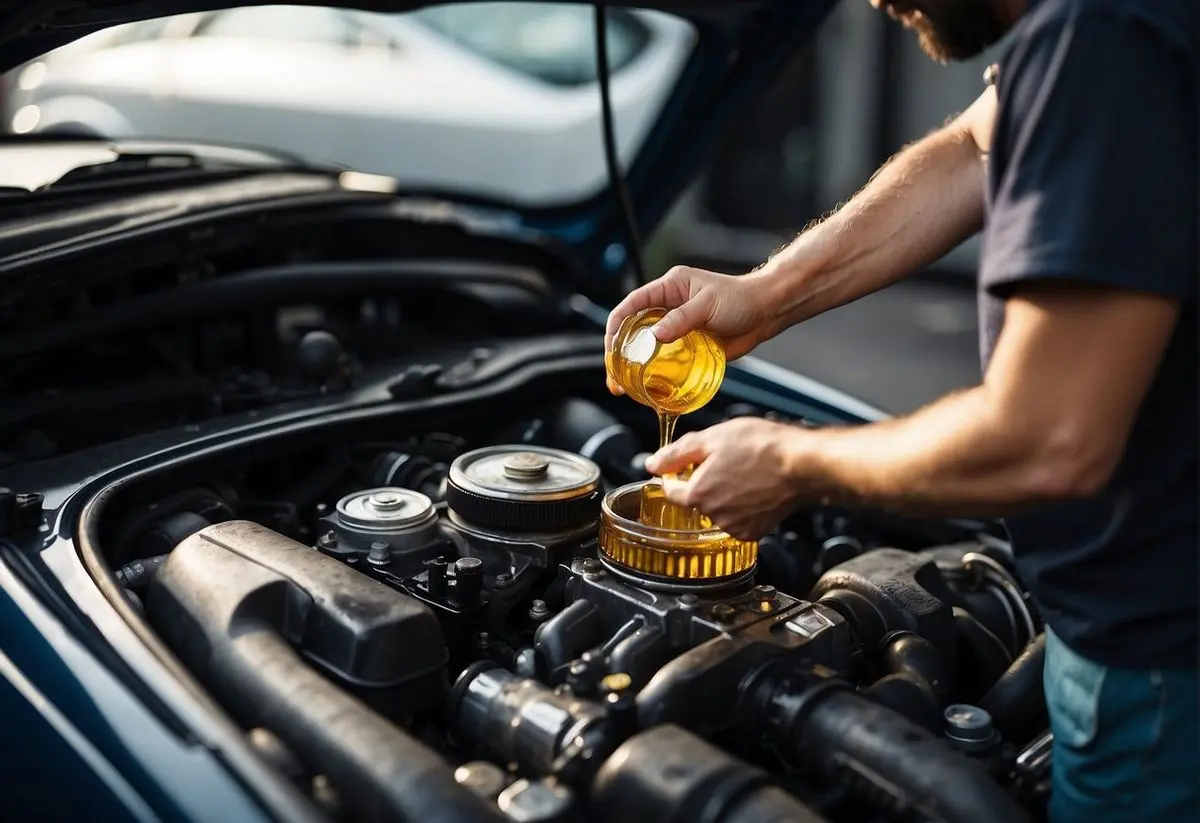
Knowing how to check engine oil level correctly is one of the most important basic car maintenance skills every driver should learn. Engine oil plays a vital role in keeping your engine parts lubricated, reducing friction, and preventing overheating. Without the right amount of oil, your engine can suffer serious damage, leading to expensive repair.
Many beginners feel unsure about checking engine oil because they think it requires technical knowledge. However, the process is simple and takes only a few minutes if done properly. By learning this skill, you not only protect your vehicle but also save money on unnecessary mechanic visits.
In this guide, you will learn how to check engine oil level correctly step by step. We will also explain why it matters, common mistakes people make, and useful tips to help you maintain your car like a professional. Whether you are a new driver or someone looking to improve your car care routine, this article will give you everything you need to know in a clear and easy way.
What is How to Check Engine Oil Level Correctly?
How to check engine oil level correctly refers to the proper method of measuring the amount of oil in your car’s engine using a dipstick or electronic system. It ensures that the oil level is neither too low nor too high, both of which can harm engine performance.
The process usually involves parking your car on a flat surface, allowing the engine to cool, locating the dipstick, and reading the oil level markings accurately. Some modern vehicles use digital displays, but the basic idea remains the same.
Understanding how to check engine oil level correctly helps you maintain the right oil balance, ensuring smooth engine operation and longer vehicle life.
Why is How to Check Engine Oil Level Correctly Important?
Checking engine oil is not just a routine task; it directly impacts your vehicle’s health and performance.
First, engine oil reduces friction between moving parts. Without enough oil, these parts can wear out quickly.
Second, it helps regulate engine temperature. Low oil levels can cause overheating, which may lead to engine failure.
Third, clean oil keeps dirt and debris away from sensitive components. When oil levels are incorrect, contaminants can build up and damage the engine.
Lastly, regular checks help you detect leaks or oil consumption issues early. This allows you to fix problems before they become serious.
Learning how to check engine oil level correctly ensures your car runs efficiently and avoids costly repairs.
Detailed Step-by-Step Guide
Step 1: Park on a Level Surface
Always park your car on a flat and even surface. This ensures an accurate oil reading. If the car is tilted, the oil may settle unevenly, giving a false result.
Step 2: Turn Off the Engine
Switch off the engine and wait for at least 5 to 10 minutes. This allows the oil to settle back into the oil pan, making it easier to measure.
Step 3: Open the Hood
Locate the hood release lever inside your car and open the hood. Secure it properly using the hood support rod if needed.
Step 4: Find the Dipstick
Look for the engine oil dipstick. It usually has a bright-colored handle, often yellow or orange, making it easy to identify.
Step 5: Pull Out the Dipstick
Carefully pull the dipstick out of its tube. You will see oil on the end of it.
Step 6: Wipe the Dipstick Clean
Use a clean cloth or tissue to wipe off all the oil from the dipstick. This step is important for getting an accurate reading.
Step 7: Reinsert the Dipstick
Put the dipstick back into its tube fully. Make sure it is inserted properly all the way down.
Step 8: Pull It Out Again
Remove the dipstick once more and check the oil level. You will see markings such as “Min” and “Max” or lines indicating the correct range.
Step 9: Check the Oil Level
If the oil level is between the minimum and maximum marks, it is fine. If it is below the minimum mark, you need to add more oil.
Step 10: Inspect Oil Condition
Look at the oil color and texture. Clean oil is usually amber and smooth, while dirty oil appears dark and thick.
By following these steps, you can easily learn how to check engine oil level correctly without any confusion.
Benefits of How to Check Engine Oil Level Correctly
- Prevents engine damage caused by low oil levels
- Improves overall engine performance
- Increases the lifespan of your vehicle
- Helps detect leaks or oil issues early
- Saves money on costly repairs
- Ensures smooth and quiet engine operation
- Enhances fuel efficiency
- Builds confidence in basic car maintenance
Disadvantages / Risks
- Incorrect reading if the car is not on a level surface
- Checking oil when the engine is hot may give inaccurate results
- Overfilling oil can damage engine components
- Ignoring dirty oil condition can lead to long-term problems
- Using the wrong type of oil may reduce performance
Common Mistakes to Avoid
One common mistake is checking the oil immediately after turning off the engine. This does not give accurate results because the oil has not settled yet.
Another mistake is not wiping the dipstick before checking. This can lead to incorrect readings.
Many people also ignore the oil condition and only focus on the level. Dirty oil can be just as harmful as low oil.
Overfilling the engine is another issue. Adding too much oil can create pressure and damage seals.
Lastly, some drivers forget to check oil regularly. Consistency is key when learning how to check engine oil level correctly.
FAQs
1. How often should I check my engine oil?
You should check your engine oil at least once a month or before long trips. Regular checks help you maintain the right oil level and avoid problems.
2. Can I check engine oil when the engine is hot?
It is better to wait until the engine cools down slightly. Checking oil when it is too hot may give inaccurate readings and can also be unsafe.
3. What happens if engine oil is too low?
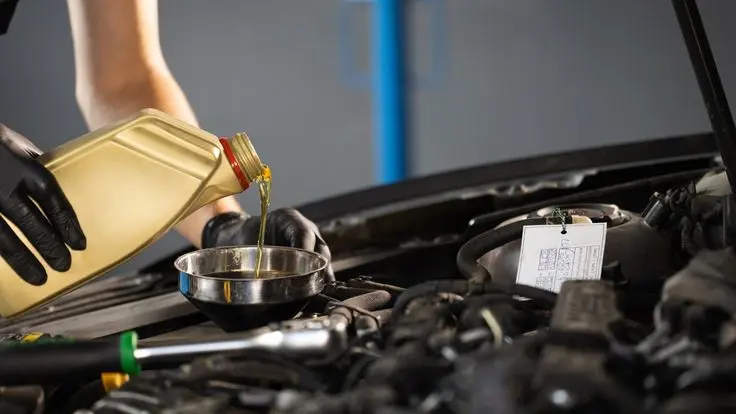
Low engine oil can cause increased friction, overheating, and serious engine damage. It is important to refill oil immediately if levels are low.
4. What happens if I overfill engine oil?
Overfilling can create excess pressure inside the engine, leading to leaks and damage to seals and gaskets. Always keep oil within the recommended range.
5. What color should engine oil be?
Fresh engine oil is usually amber in color. If it appears very dark or dirty, it may be time for an oil change.
6. Do all cars have a dipstick?
Most cars have a dipstick, but some modern vehicles use electronic sensors to display oil levels on the dashboard.
Expert Tips & Bonus Points
Always use the type of oil recommended by your car manufacturer. Using the wrong oil can affect engine performance.
Check your oil in good lighting so you can clearly see the level markings.
Keep a clean cloth in your car for quick and easy oil checks anytime.
If you notice oil levels dropping frequently, get your car inspected for leaks or engine issues.
Make it a habit to check oil along with other fluids like coolant and brake fluid. This keeps your car in top condition.
Learning how to check engine oil level correctly is a small effort that brings big benefits over time.
Conclusion
Understanding how to check engine oil level correctly is an essential skill that every car owner should have. It is simple, quick, and highly effective in maintaining your vehicle’s health. By regularly checking your oil level, you can prevent major engine problems, improve performance, and extend the life of your car.
This guide has shown you the correct steps, explained why it matters, and highlighted common mistakes to avoid. With a little practice, checking engine oil will become a natural part of your routine.
Remember, your engine depends on clean and sufficient oil to function properly. Ignoring this basic maintenance task can lead to costly repairs and unexpected breakdowns. On the other hand, staying consistent with oil checks ensures peace of mind and smooth driving.
