


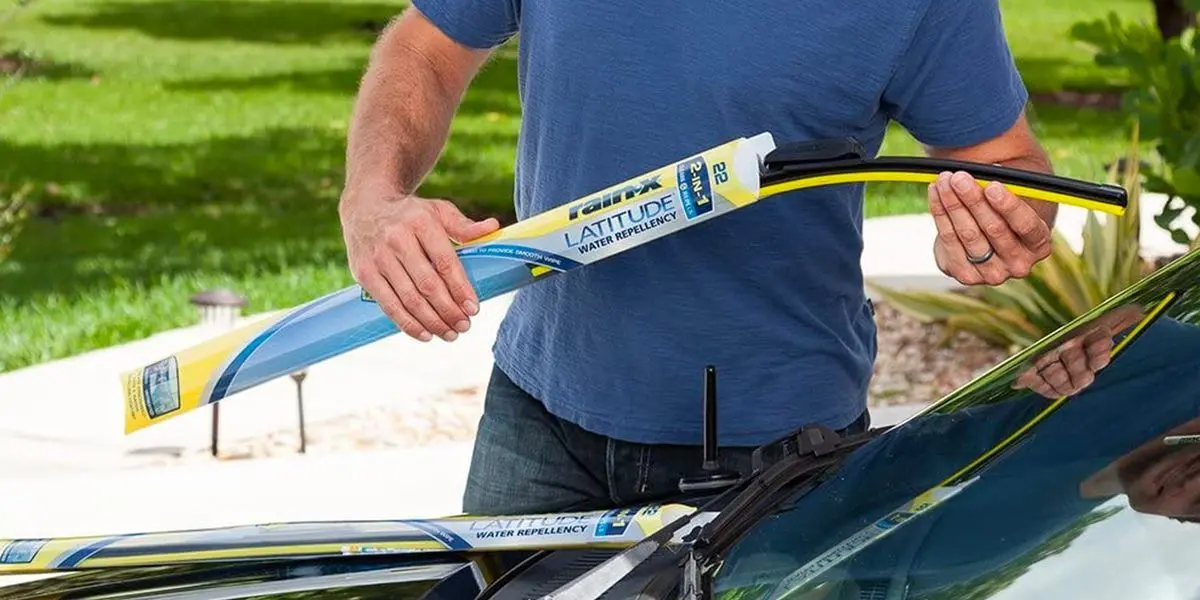
Introduction
Driving in changing weather conditions can be challenging, especially when your visibility depends on something as simple as your windshield wipers. Whether it’s heavy rain, dust, snow, or scorching heat, having the best windshield wipers for all seasons can make a huge difference in your driving safety and comfort. Many drivers overlook this small yet essential component, only realizing its importance when streaks and noise start to appear on the glass.
In today’s market, there are many types of windshield wipers available, each designed to perform differently in various weather conditions. From traditional frame-style wipers to advanced beam blades, choosing the right one can feel confusing for beginners. However, with the right knowledge, you can easily select the perfect option that suits your vehicle and climate.
This guide is designed for both beginners and intermediate readers who want a clear understanding of how to choose, use, and maintain windshield wipers effectively. You will learn about different types, their benefits, potential drawbacks, and common mistakes to avoid. By the end, you will be confident in selecting the best windshield wipers for all seasons and keeping them in top condition throughout the year.
What is Best Windshield Wipers for All Seasons?
The best windshield wipers for all seasons are specially designed blades that perform efficiently in a variety of weather conditions, including rain, snow, heat, and dust. Unlike standard wipers that may only work well in mild conditions, all-season wipers are built with durable materials and flexible designs to handle temperature changes and environmental stress.
These wipers typically use high-quality rubber or silicone compounds that resist cracking in heat and freezing in cold weather. Additionally, their design ensures even pressure distribution across the windshield, resulting in a clean and streak-free wipe.
There are three main types of all-season windshield wipers:
- Frame-style wipers: Traditional design with metal frames
- Beam blades: Modern, frameless design with better flexibility
- Hybrid wipers: Combination of frame and beam features
Each type offers different advantages, but the goal remains the same: consistent performance in all weather conditions.
Why is Best Windshield Wipers for All Seasons Important?
Using the best windshield wipers for all seasons is crucial for maintaining clear visibility and ensuring road safety. Poor-quality or worn-out wipers can leave streaks, reduce visibility, and even damage your windshield over time.
Here are some key reasons why they are important:
First, safety is the primary concern. Clear visibility allows you to react quickly to road hazards, especially during heavy rain or fog.
Second, all-season wipers save money in the long run. Instead of replacing wipers frequently, durable all-season options last longer and perform consistently.
Third, they provide comfort while driving. Smooth and quiet operation reduces distractions, making your driving experience more enjoyable.
Finally, they protect your windshield. High-quality blades prevent scratches and maintain the glass surface in good condition.
Detailed Step-by-Step Guide
Step 1: Understand Your Vehicle Requirements
Before buying windshield wipers, check your vehicle’s manual for the correct size and type. Using the wrong size can lead to poor performance and incomplete cleaning.
Step 2: Choose the Right Type
Decide between frame, beam, or hybrid wipers based on your driving conditions:
- Beam blades are ideal for heavy rain and snow
- Frame blades work well in mild climates
- Hybrid blades offer balanced performance
Step 3: Check Material Quality
Look for wipers made from high-quality rubber or silicone. Silicone blades last longer and perform better in extreme temperatures.
Step 4: Consider Weather Conditions
If you live in an area with extreme heat or cold, choose wipers specifically designed for those conditions. All-season wipers should handle both without cracking or freezing.
Step 5: Easy Installation
Select wipers that are easy to install. Many modern blades come with universal adapters that fit most vehicles.
Step 6: Test Performance
After installation, test the wipers with washer fluid. Ensure they move smoothly and clean the windshield without leaving streaks.
Step 7: Regular Maintenance
Clean your wiper blades regularly and check for wear. Replace them when you notice reduced performance.
Benefits of Best Windshield Wipers for All Seasons

- Improved visibility in all weather conditions
- Longer lifespan compared to standard wipers
- Reduced noise and smoother operation
- Better resistance to heat and cold
- Protection against windshield damage
- Cost-effective over time
- Consistent performance year-round
Disadvantages / Risks
- Higher initial cost compared to basic wipers
- Some models may not fit all vehicles
- Poor-quality brands may not deliver promised performance
- Improper installation can reduce effectiveness
- Overlooking maintenance can still lead to early wear
Common Mistakes to Avoid
One common mistake is choosing the wrong size. Always verify your vehicle’s requirements before purchasing.
Another mistake is ignoring material quality. Cheap rubber blades may save money initially but wear out quickly.
Many drivers also forget regular cleaning. Dirt and debris can damage the blades and reduce performance.
Installing wipers incorrectly is another issue. Improper installation can cause uneven pressure and streaking.
Lastly, delaying replacement is a major mistake. Worn-out wipers can become dangerous during bad weather.
FAQs
1. How often should I replace windshield wipers?
Most experts recommend replacing windshield wipers every 6 to 12 months. However, this depends on usage and weather conditions.
2. Are silicone wipers better than rubber ones?
Yes, silicone wipers generally last longer and perform better in extreme temperatures. They also provide smoother operation.
3. Can I use all-season wipers in winter?
Yes, the best windshield wipers for all seasons are designed to work effectively in winter conditions, including snow and ice.
4. Why do my wipers leave streaks?
Streaks are usually caused by worn-out blades, dirt buildup, or improper installation. Cleaning or replacing the blades often solves the issue.
5. Are expensive wipers worth it?
In most cases, yes. High-quality wipers offer better durability, performance, and long-term value.
6. How do I know the right size for my car?
You can check your vehicle manual or measure your current wipers. Many stores also provide size guides.
Expert Tips & Bonus Points
To get the most out of your windshield wipers, always clean them with a damp cloth every few weeks. This removes dirt and extends their lifespan.
Use a good-quality windshield washer fluid. It helps improve cleaning performance and prevents residue buildup.
Avoid using wipers on a dry windshield, as this can cause unnecessary wear.
During winter, lift the wipers when parking to prevent them from freezing to the glass.
If you notice unusual noise, check for alignment issues or debris stuck in the blades.
Finally, invest in trusted brands. While they may cost more upfront, they provide better performance and reliability.
Conclusion
Choosing the best windshield wipers for all seasons is a simple yet important decision that directly impacts your driving safety and comfort. With so many options available, understanding the differences between types, materials, and features can help you make a smart choice.
All-season windshield wipers are designed to handle a variety of weather conditions, making them a practical and cost-effective solution for most drivers. By selecting the right type, ensuring proper installation, and maintaining them regularly, you can enjoy clear visibility throughout the year.
Remember, windshield wipers are not just a minor accessory. They play a crucial role in ensuring safe driving, especially during challenging weather conditions. Investing in high-quality wipers and replacing them when needed will save you from potential risks and costly repairs.
