


Introduction
If your car has started to feel different lately, you are not alone. Many drivers notice small changes in performance but are unsure what is causing them. One of the most common yet overlooked issues is faulty spark plugs. Understanding how to know if your spark plugs are bad can save you time, money, and unnecessary stress.
Spark plugs play a critical role in your engine’s performance. They ignite the air-fuel mixture, allowing your car to start and run smoothly. When they begin to fail, your vehicle may show several warning signs. These signs can range from rough idling to reduced fuel efficiency. Recognizing these symptoms early can prevent bigger engine problems.
In this guide, you will learn everything you need to identify bad spark plugs. We will cover the basics, explain why they matter, and provide a clear step-by-step process to check them. Whether you are a beginner or have some experience, this article will help you understand how to know if your spark plugs are bad in a simple and practical way.
What is How to Know If Your Spark Plugs Are Bad?
Knowing if your spark plugs are bad means identifying the signs and symptoms that indicate they are no longer working properly. Spark plugs are small but essential components in your car’s engine. They create a spark that ignites the fuel, which powers your vehicle.
When spark plugs wear out, they cannot produce a strong spark. As a result, your engine may misfire or struggle to run efficiently. This is why understanding how to know if your spark plugs are bad is important for every car owner.
There are several ways to check their condition. You can observe how your car behaves, listen for unusual sounds, and even inspect the plugs physically. Each method gives you clues about whether they need cleaning or replacement.
Why is How to Know If Your Spark Plugs Are Bad Important?
Understanding how to know if your spark plugs are bad is important because it directly affects your car’s performance and safety. Faulty spark plugs can lead to poor engine function and increased fuel consumption.
When spark plugs fail, your engine may not burn fuel properly. This leads to wasted fuel and higher expenses. Additionally, it can cause long-term damage to other engine components.
Here are a few reasons why this knowledge is essential:
- It helps maintain engine efficiency
- It prevents costly repairs
- It improves fuel economy
- It ensures smooth driving experience
By learning how to know if your spark plugs are bad, you can take action early and keep your vehicle running in top condition.
Detailed Step-by-Step Guide
Step 1: Check for Engine Misfires
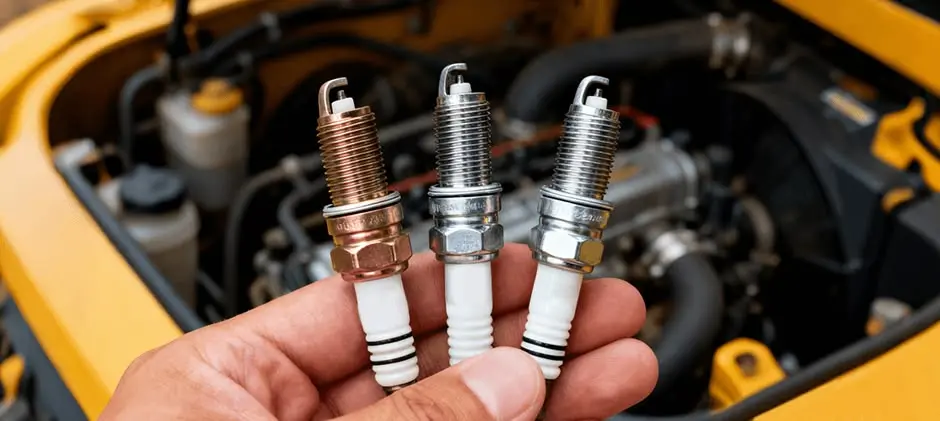
One of the first signs of bad spark plugs is engine misfiring. This happens when the spark plug fails to ignite the fuel properly.
You may notice:
- Sudden jerks while driving
- Uneven engine performance
- Strange vibrations
If your engine misfires frequently, it is a strong indication that your spark plugs may be worn out.
Step 2: Observe Fuel Efficiency
Another way to understand how to know if your spark plugs are bad is by monitoring your fuel consumption.
If you find yourself refueling more often than usual, your spark plugs might not be burning fuel efficiently. This leads to wasted fuel and higher costs.
Step 3: Listen for Unusual Noises
Bad spark plugs can cause unusual engine sounds. These sounds may include:
- Knocking
- Popping
- Rough idling noise
Pay close attention to these sounds, especially when starting your car or idling.
Step 4: Inspect Engine Start Issues
If your car struggles to start, faulty spark plugs could be the reason. A weak or inconsistent spark makes it difficult for the engine to ignite fuel.
Signs include:
- Delayed ignition
- Multiple attempts to start
- Complete failure to start
These issues often point to worn-out spark plugs.
Step 5: Look for Poor Acceleration
When spark plugs are not functioning properly, your car may lose power. This results in slow or weak acceleration.
You may feel that your vehicle is not responding as quickly as it should. This is another common symptom to consider.
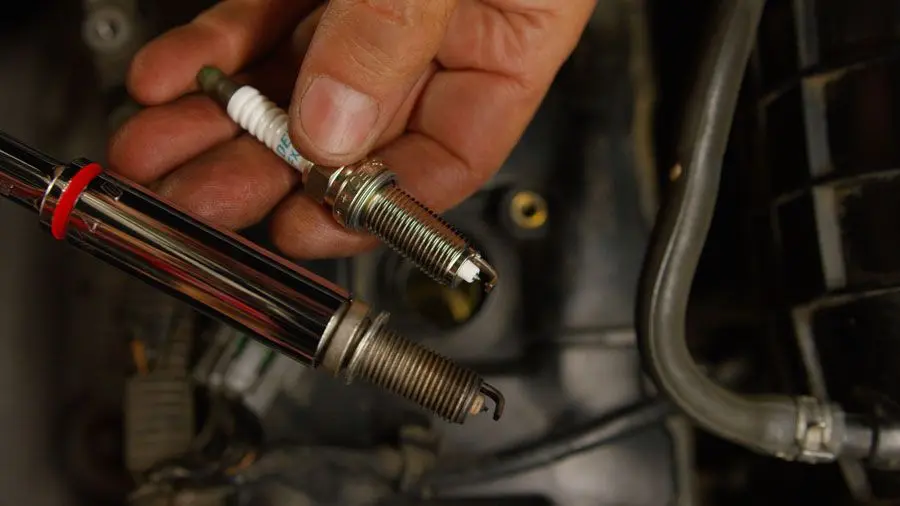
Step 6: Perform a Visual Inspection
Remove the spark plugs and examine them closely. This is one of the most reliable ways to confirm the issue.
Check for:
- Carbon buildup
- Oil deposits
- Burnt or damaged tips
A clean spark plug is usually light gray or tan in color. Any deviation may indicate a problem.
Step 7: Use a Spark Plug Tester
For a more accurate diagnosis, you can use a spark plug tester. This tool helps you check if the spark plug is producing a proper spark.
If the spark is weak or absent, the plug needs replacement.
Benefits of How to Know If Your Spark Plugs Are Bad
- Improves overall engine performance
- Enhances fuel efficiency
- Reduces harmful emissions
- Prevents engine damage
- Saves money on repairs
- Ensures smoother driving experience
- Increases vehicle lifespan
Disadvantages / Risks
- Misdiagnosis can lead to unnecessary replacements
- Ignoring symptoms may cause engine failure
- Improper handling during inspection can damage parts
- Delayed action increases repair costs
- Lack of knowledge may result in incorrect installation
Common Mistakes to Avoid
Many drivers make simple mistakes when trying to understand how to know if your spark plugs are bad. Avoiding these errors can save time and effort.
One common mistake is ignoring early warning signs. Small issues can quickly turn into major problems if left unchecked.
Another mistake is replacing spark plugs without proper inspection. Not all performance issues are caused by spark plugs, so it is important to confirm the problem first.
Using the wrong type of spark plug is also a frequent error. Always follow your vehicle manufacturer’s recommendations.
Lastly, failing to replace all spark plugs at the same time can lead to uneven performance.
FAQs
1. How often should spark plugs be replaced?
Spark plugs should typically be replaced every 30,000 to 100,000 miles, depending on the type. Always check your vehicle manual for specific recommendations.
2. Can I drive with bad spark plugs?
Yes, but it is not recommended. Driving with bad spark plugs can damage your engine and reduce fuel efficiency.
3. What causes spark plugs to go bad?
Spark plugs wear out due to heat, carbon buildup, oil leaks, and normal usage over time.
4. How much does it cost to replace spark plugs?
The cost varies depending on your vehicle and spark plug type. It is generally an affordable maintenance task compared to major engine repairs.
5. Can bad spark plugs affect fuel economy?
Yes, faulty spark plugs can reduce fuel efficiency because they do not burn fuel properly.
6. Is it easy to replace spark plugs yourself?
Yes, in many cases it is a simple task. However, some vehicles may require professional help due to complex engine designs.
Expert Tips & Bonus Points
To better understand how to know if your spark plugs are bad, consider these expert tips.
Always keep a maintenance schedule. Regular checks can help you identify problems early.
Use high-quality spark plugs. They last longer and provide better performance.
Keep your engine clean. Dirt and oil can affect spark plug performance.
Pay attention to your driving habits. Frequent short trips can cause carbon buildup on spark plugs.
Carry a basic tool kit. This allows you to inspect or replace spark plugs when needed.
Lastly, do not ignore dashboard warning lights. They often indicate underlying issues, including spark plug problems.
Conclusion
Knowing how to know if your spark plugs are bad is an essential skill for every car owner. Spark plugs may be small, but they play a major role in your vehicle’s performance. Ignoring their condition can lead to reduced efficiency, higher fuel costs, and even serious engine damage.
By understanding the common signs such as engine misfires, poor acceleration, and starting issues, you can identify problems early. Regular inspections and timely replacements ensure that your engine runs smoothly and efficiently.
This guide has provided you with practical steps, benefits, risks, and expert tips to help you stay informed. Whether you are a beginner or have some experience, these insights make it easier to maintain your vehicle.
