


Introduction
A car battery is one of the most important components of your vehicle, yet many drivers ignore it until the car refuses to start. Understanding the signs your car battery needs replacement can save you from unexpected breakdowns and expensive repairs. A weak or failing battery can affect your car’s performance, electrical system, and overall reliability.
In everyday driving, your car battery works silently to power the starter motor, lights, ignition system, and many electronic features. However, like all parts, it has a limited lifespan. Most car batteries last between three to five years, depending on usage, weather conditions, and maintenance habits. If you notice slow engine cranking, dim headlights, or frequent jump-starts, these may be early warning signs.
Recognizing these symptoms early helps you avoid being stranded in inconvenient situations. In this guide, you will learn everything about the signs your car battery needs replacement, why it happens, how to diagnose it, and what steps you can take to prevent future issues. Whether you are a beginner driver or have years of experience, this article will help you understand your car battery better and keep your vehicle running smoothly.
What is a Car Battery and Its Function?
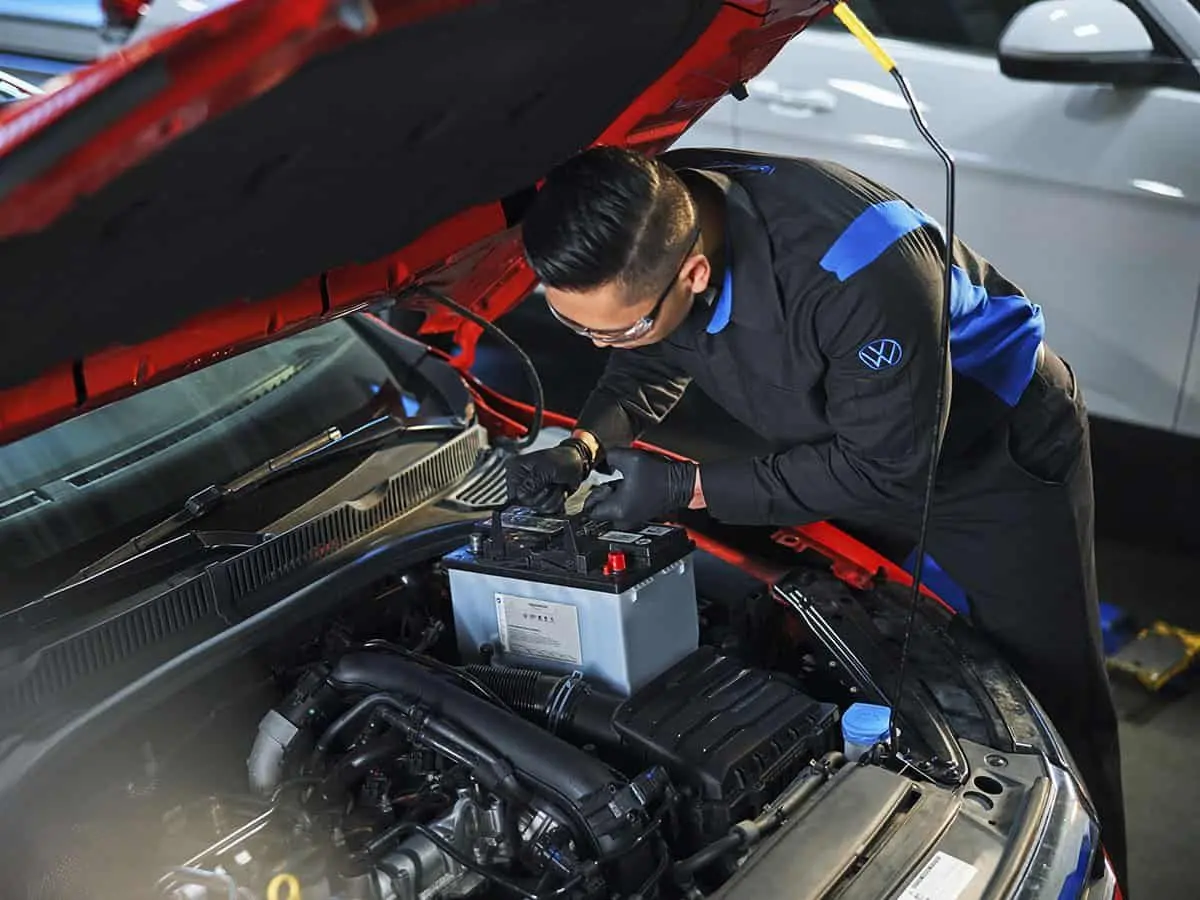
A car battery is a rechargeable power source that supplies electricity to start your engine and power electrical systems when the engine is off. It stores energy in chemical form and converts it into electrical energy when needed.
The battery plays a crucial role in:
Starting the engine through the starter motor
Powering lights, radio, and infotainment systems
Supporting onboard electronics like sensors and ECU
Stabilizing voltage in the electrical system
Without a healthy battery, your vehicle simply cannot function properly. Modern vehicles rely heavily on electronics, making a strong battery even more important than before. When it starts to weaken, multiple systems begin to fail or behave unpredictably.
Why is Knowing Battery Failure Signs Important?
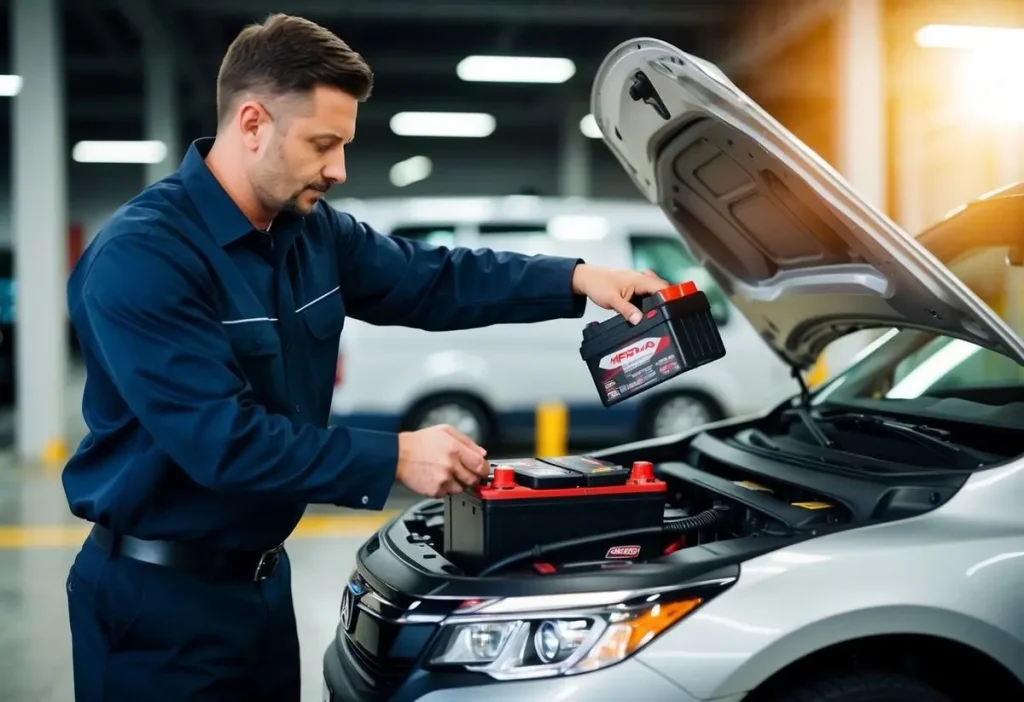
Understanding the signs your car battery needs replacement is important because it prevents sudden breakdowns and ensures safe driving. Many drivers ignore early symptoms, thinking they are minor issues, but these signs usually indicate deeper electrical problems.
A failing battery can leave you stranded in unsafe locations, especially at night or in remote areas. It can also damage other components such as the alternator or starter motor if not addressed on time.
Moreover, early detection saves money. Replacing a battery at the right time is much cheaper than repairing multiple damaged electrical parts. It also ensures better fuel efficiency and smoother engine performance.
Detailed Step-by-Step Guide to Identify Battery Problems
1. Check Engine Cranking Speed
One of the earliest signs your car battery needs replacement is slow engine cranking. When you turn the key or press the start button, the engine should start quickly. If it takes longer than usual or sounds sluggish, your battery may be weak.
2. Inspect Headlight Brightness
Dim or flickering headlights are another common indicator. If your headlights become noticeably weaker when the engine is off, it means the battery is struggling to supply enough power.
3. Look for Dashboard Warning Light
Most modern vehicles have a battery warning light on the dashboard. If this light stays on or appears frequently, it signals a charging system or battery issue.
4. Test Electrical Components
If power windows, radio, or air conditioning systems are not working properly, your battery might not be providing enough voltage.
5. Check Battery Age
Battery age is a strong indicator of performance. If your battery is older than 3–5 years, it is more likely to fail even without strong symptoms.
6. Examine Physical Condition
Swelling, leaks, or corrosion on battery terminals are clear signs of damage. These physical changes often indicate internal failure.
7. Frequent Jump Starts
If you need to jump-start your car repeatedly, it clearly shows that your battery is no longer holding charge effectively.
Benefits of Identifying Battery Issues Early
- Prevents unexpected car breakdowns
- Saves money on emergency repairs
- Improves vehicle reliability
- Extends lifespan of other electrical components
- Enhances driving safety
- Reduces risk of being stranded
- Ensures smooth engine performance
Disadvantages / Risks of Ignoring Battery Problems
- Sudden vehicle failure
- Increased repair costs
- Damage to alternator and starter motor
- Unsafe driving conditions
- Electrical system malfunctions
- Inconvenience during travel
- Reduced vehicle performance
Common Mistakes to Avoid
Many drivers make simple mistakes that shorten battery life or hide warning signs. Avoid the following:
Ignoring dim lights or slow starting issues
Leaving lights or electronics on when the engine is off
Not checking battery terminals for corrosion
Using an old battery beyond its lifespan
Skipping regular vehicle maintenance
Relying too much on jump-starts instead of replacement
Ignoring warning lights on the dashboard
Being aware of these mistakes can significantly improve your battery’s performance and lifespan.
FAQs About Car Battery Problems
1. How long does a car battery last?
A typical car battery lasts between three to five years. However, extreme weather and heavy usage can shorten its lifespan.
2. What are the first signs of a weak battery?
Slow engine start, dim lights, and electrical issues are early warning signs your car battery needs replacement.
3. Can a car battery fail suddenly?
Yes, a battery can fail without warning, especially if it is old or poorly maintained.
4. How can I test my car battery at home?
You can check voltage using a multimeter or observe symptoms like slow cranking and dim lights.
5. Does driving recharge the battery?
Yes, the alternator charges the battery while driving, but it cannot fix a fully damaged battery.
6. What causes car battery failure?
Common causes include age, extreme temperatures, poor maintenance, and leaving electronics on.
7. Should I replace battery if car starts slowly?
Yes, slow starting is one of the strongest indicators that replacement is needed soon.
Expert Tips & Bonus Points
Always check battery terminals for corrosion and clean them regularly
Avoid short trips that do not allow full battery charging
Park your car in shaded or moderate temperature areas when possible
Turn off lights and electronics before shutting down the engine
Get your battery tested during regular service appointments
Replace your battery before it completely fails to avoid emergencies
Following these expert tips can significantly extend battery life and improve overall vehicle performance.
Conclusion
Recognizing the signs your car battery needs replacement is essential for every driver. A car battery may seem like a small component, but it plays a major role in your vehicle’s performance and reliability. Ignoring early warning signs such as slow engine cranking, dim headlights, or frequent jump-starts can lead to sudden breakdowns and costly repairs.
By paying attention to these symptoms and maintaining your battery properly, you can avoid unexpected problems on the road. Regular inspection, proper maintenance, and timely replacement are key to ensuring a smooth driving experience.
A healthy battery not only keeps your car running but also supports all electronic systems efficiently. If your battery shows multiple warning signs, it is always better to replace it early rather than wait for complete failure. Taking proactive steps will save time, money, and stress while keeping your vehicle in top condition for years to come.
